Uncover the Magic of Rakugo: A Beginner’s Guide to Japanese Comic Storytelling

Happy Lunar New Year! Wishing you and your family peace, happiness, and good fortune!

To celebrate this special occasion, I have decided to write a beginner’s guide to rakugo. It is based on an introduction video that I made for YouTube, but I thought a note that accompanies it would be good addition for you to deepen your understanding of rakugo 😊 So…

Have you ever stumbled upon this storytelling tradition that’s both ancient and strikingly modern? Enter the world of rakugo, the Japanese traditional art of comic storytelling that blends storytelling with theatrical flair. It’s more than just comedy; it’s a window into Japanese culture and a testament to the power of narrative (I dare say!). Hopefully, this guide will introduce you to the unique and exciting world of rakugo!

What Exactly is Rakugo?

At its heart, rakugo is a 400-year-old Japanese tradition of comic storytelling. While you might initially think that it might be like stand-up comedy performed sitting down, but it is actually quite different. It’s a form of narrative performance where the goal is to engage and captivate the audience, not just make them laugh. Rakugo stories can be incredibly diverse, ranging from lighthearted ghost stories and tragedies to fantastical tales, erotica, and even science fiction. I personally see it like a sitcom or an old-time radio show, delivered by a single storyteller.

Key Elements that Make Rakugo Unique

  • Traditional Meets Contemporary: Rakugo is both traditional and contemporary. Performers almost always wear kimono, honoring the traditions of the past, but the stories themselves can explore themes of the present and even the future.
  • Minimalist Staging: In the Tokyo (Edo) style of rakugo, performers use only two props: a fan and a tenugui (traditional Japanese towel). The fan, also known as ‘kaze’ (literally means ‘wind’) in rakugo circles, can be used to create sound effects or symbolise various objects like a calligraphy pen or chopsticks. The tenugui, also referred to as ‘mandala’, is a highly versatile prop that can represent anything from a book to a wallet or even a smartphone!

The Art of the Single Performer

Rakugo is performed by a single storyteller who takes on all the characters within the narrative. Very subtle head movements and shifts in gaze are used to differentiate between each character. The performer’s direction of gaze also indicates social status and whether they are indoors or outdoors.

  • Characters with higher social status are indicated by the performer looking stage right, while those of lower status are indicated by looking stage left.
  • Characters inside a building are indicated by the performer facing stage right while those outside always face towards stage left regardless of the character’s social status.

The Historical Roots of Rakugo

The origin of Rakugo is often traced back to Seigan Temple (誓願寺) in Kyoto. It’s said that a monk named Anrakuan Sakuden (1554-1642) began incorporating characters and anecdotes into his Buddhist sermons to keep his students engaged. His approach was a means of enlivening what might otherwise be considered dry religious teachings. He compiled a book called Seisuishou (醒酔笑) in 1623, marking a significant milestone in the history of rakugo.

Rakugo further developed in two major Japanese cities with regional differences:

  • Osaka/ Kyoto: Rakugo initially evolved as a lively street performance, incorporating music and sound effects.
  • Edo (Tokyo): In Tokyo, rakugo became more of a theatrical performance, focusing on the art of storytelling with minimal props.

Why Should You Experience Rakugo?

Rakugo is a unique experience, far removed from the typical Western theatrical fare. It’s not just a performance; it’s a cultural memory that blends storytelling, minimalist performance, and a connection to Japan’s history. Whether you’re seeking a different kind of comedy or an enriching cultural experience, rakugo offers a journey into a world that is both familiar and wonderfully unique… and sometimes VERY quirky!

If you prefer just watching the video… (maybe I should’ve put the video above, but hey I wanted you to read the article!)
How do Japanese celebrate the New Year?

During my recent visit to Japan, I got to experience the entire New Year celebrations with my family. It was the first time in at least a decade to go through the entire routine that I once did every single year until I left my homeland when I was 19.

I am sure there are local and family variations, but here is how it is generally celebrated in my area:

Towards the end of December

Year-end Cleaning: We clean the entire house towards the end of the year. It is like the spring cleaning in the west, but we do this in winter instead. This is based on the concept of ‘kiyome’ (清め) or ‘cleansing’ before welcoming the new year.

Osechi Making: Osechi is a traditional Japanese New Year feast, which is basically an elaborate bento. Each item has a special meaning, wishing for health, prosperity, and happiness in the coming year. Traditionally, it was pre-cooked before New Year’s Day so that the family members did not have to cook for the first few days of the year to relax.

31 December

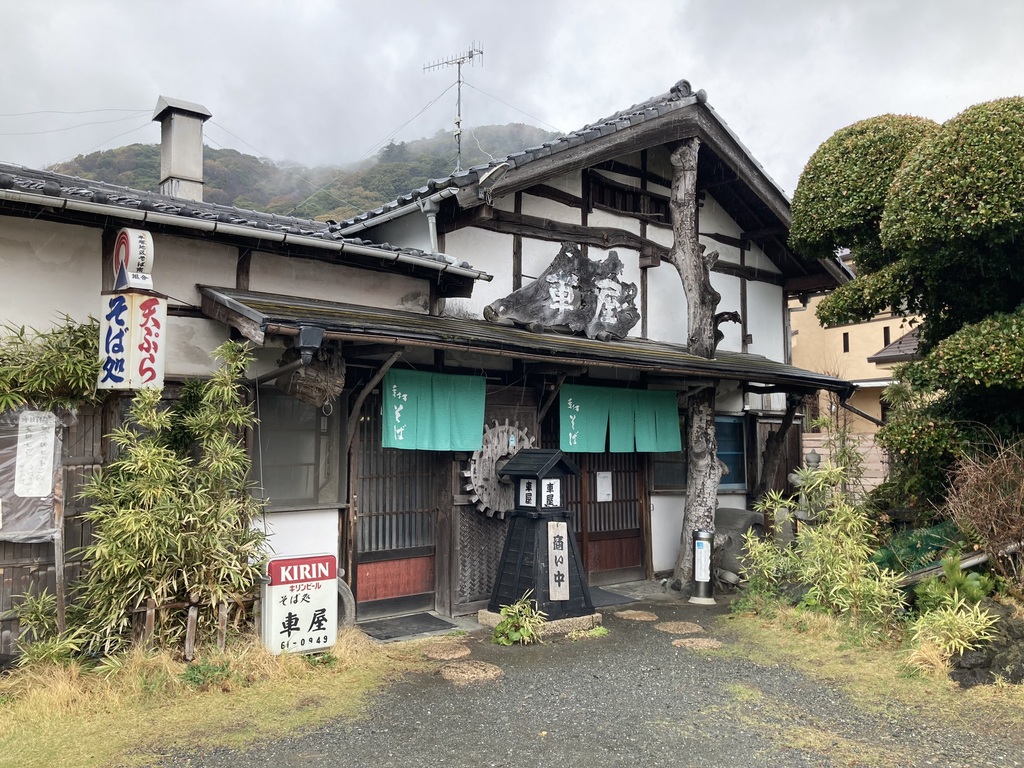
Soba Noodle Eating: We eat soba noodles to wish for health and longevity. In some areas in Japan, they eat soba noodles on 1 January instead. The toppings also vary depending on the area. In my family, we do this ‘ritual’ towards midnight, sometime around 11:00 PM.

Kōhaku Uta Gassen: In the evening, many Japanese families watch the Red and White Singing Competition (Kōhaku Uta Gassen) on NHK, our national TV. It is basically a concert that showcases the best singers in Japan.

New Year’s Day

Shrine Visit: Families visit their local shrine to pray for good luck and health. Many families visit shrines in the first three days of the year (sanganichi; 三が日), but it is my family tradition to visit our local shrine at 12:00 AM midnight.

First Sunrise Gazing (初日の出): After a short sleep, we get up at the sunrise to pray to the sun. I’d say it is more cultural than religious, but it is said to be auspicious to gaze at the first sunrise of the year.

Breakfast: We eat the osechi that we prepared towards the end of the previous year. We also drink otoso, which is sake with some medicinal herbs, to pray for good health and well-being for the year. It tastes aweful, by the way!

New Year Cards: New Year Cards (Nengajou, 年賀状) start arriving around 10:00AM. The number of the New Year cards is an indicator of your popularity. As I grew up, I only received 20-30 cards while my dad received 500 plus. People are moving away from this custom these days, though. Many youths just email or text on LINE, which is like the Japanese version of WhatsApp.

Otoshidama (お年玉): If you are still a child or a teenager, you receive some pocket money in a little envelope called ‘pochi-bukuro’ (ポチ袋). As I grew up, my Kansai (Western Japan) relatives tended to give me more 😁

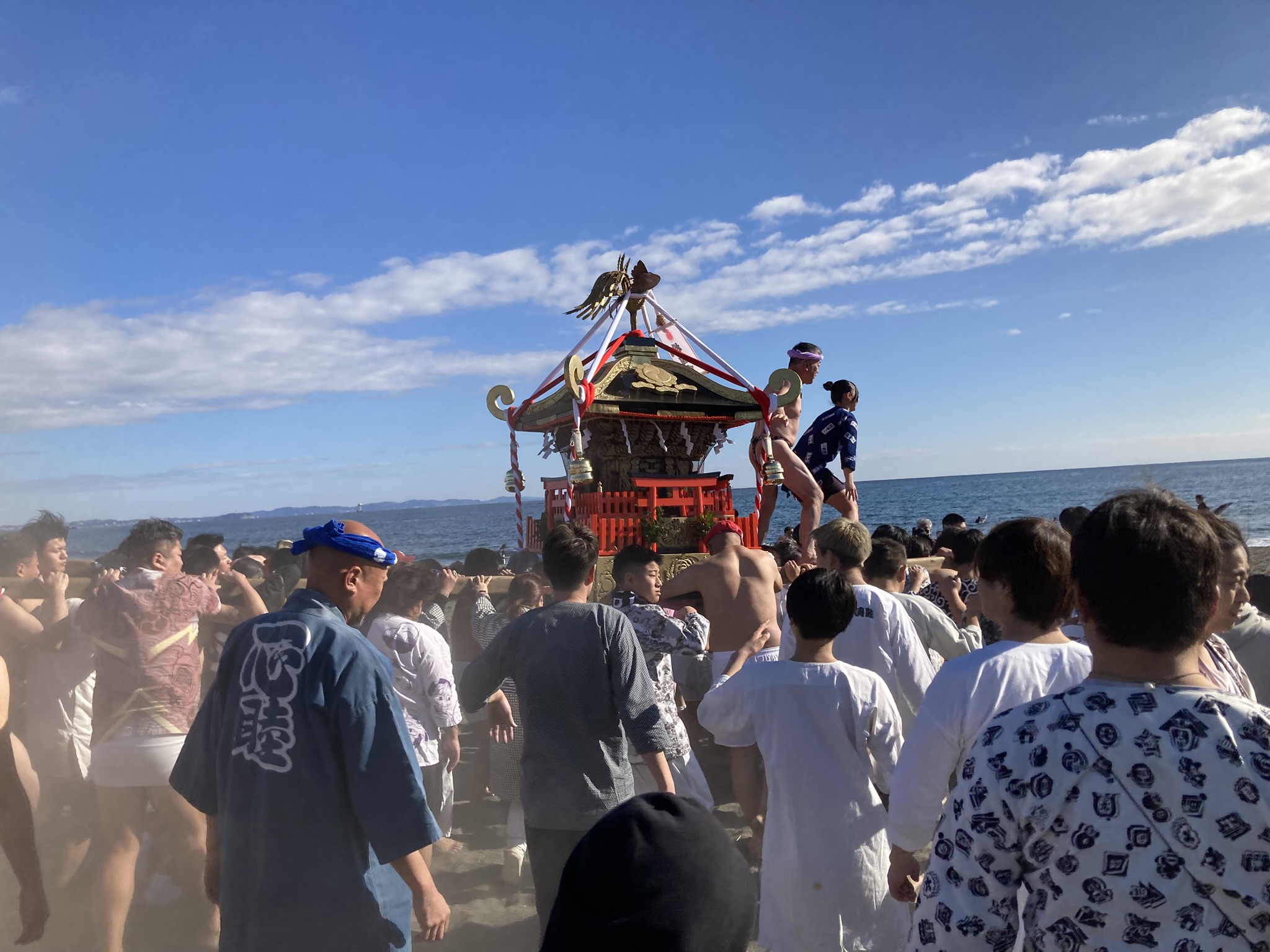
Community Celebrations: Depending on the area you live in, there might be some community celebrations. In my hometown, a mikoshi palanquin (a portable shrine) is taken into the sea to pray for the water safety for the year.

I have created a YouTube video about this subject, so if you are interested, please visit my YouTube channel. Make sure to subscribe if you still haven’t!

Happy New Year 2025!

Happy New Year! 新年あけましておめでとうございます!

Hope you had some good breaks during the Christmas and New Year holidays!

As a heavily Kiwi-fied person, I am finally kicking off my work year today after the 3 weeks of summer holidays… Perhaps, it is not appropriate to call it ‘summer holidays’ as I spent the most of it in the icy cold Japan. Anyway, I feel very stagnant, and it’s about time to get on with my creative projects!

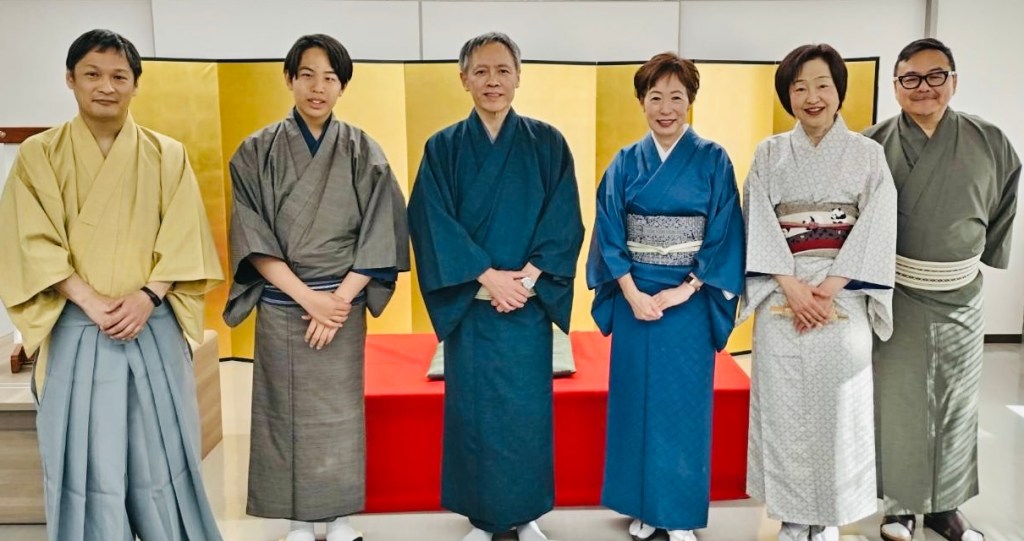
During my stay in Japan, I got to perform rakugo in English three times; twice at Asakusa Culture Tourist Information Center and once with my master’s rakugo family. It was especially a huge privilege for me to perform with my rakugo family, who are basically some of the top “English Rakugo” performers in Japan.

The photo above is from the performance with my rakugo family. (From the left, Eishi, Showman, Eiraku, Ichirin, Panda, and Koraku). Eiraku (my master), Ichirin, and Koraku are the founders of the English Rakugo Association.

There are some exciting projects coming in, but one of the biggest news so far is that the rakugo-inspired artwork that was exhibited at Christchurch Art Gallery (New Zealand) and Tampere Art Museum (Finland) will be displayed at an art museum in Hiroshima, Japan! More information to follow. (If you are interested in this art project, you can read my past entry here.)

I will also resume school visits if my funding application is approved. I will probably be able to offer 5-10 free performance-workshops. Keep an eye out for this page and/ or my SNS.

There will be an open performance/ workshop at Epsom Library on Saturday, 5 April 2025 as a part of the World of Cultures celebrations.

Also, I am planning to stay in Japan for a longer period at the end of this year, and I would like to expand my performance opportunities there. Please contact me if you are interested in collaborating with me sometime between November 2025- January 2026 in Japan.

Finally, though I have said this over and over… I really want to make my YouTube work this year! Please follow my channel if you still haven’t and also give me suggestions to make it work.

Have a fantastic year, everybody!

Home Sweet Home Oiso No.2 [Tōkōin Temple 東光院]

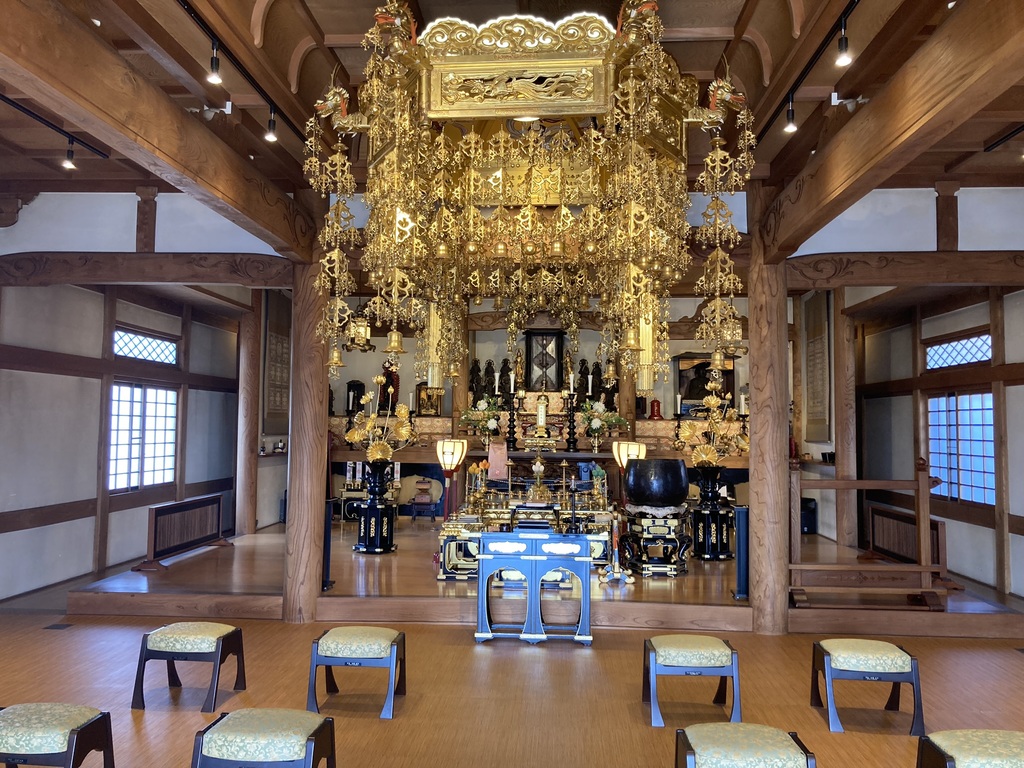
I have to say that one of the highlights from my recent Japan trip was Tōkōin Temple (東光院) in my hometown, Oiso.

Mind you, I am not at all a religious person.

I only visited this temple to pay respect to my uncle who passed on during the pandemic, but this temple really blew my mind and showed me what it is to adapt our old traditions to this ever-changing world.

As you would know, not taking off your shoes to enter a Japanese house is a cardinal sin.

If I’m allowed to be a bit passive aggressive right now, each time my NZ European family members and friends walk into my house with their shoes on, I’m internally very, VERY cross! (Now you know!)

This cultural rule is upheld even more strictly at places of worship such as shrines, temples, and even some churches in Japan.

But, as you can see in one of the pictures above (“Keep your shoes on” sign), this temple broke this sacred cultural law to make the sanctuary barrier free for the elderly and people with disability (you need to bend down to remove your shoes, which is hard for them).

I was born and raised in Japan and spent about 21 years of my life there, but it was the very first time to visit a temple that allows you to keep your shoes on… in the sanctuary!!!

They also removed tatami mattresses and placed chairs in the sanctuary so that people don’t have to sit in the seiza position. It is a seiza-free temple!!!

I don’t know any other temple that does this. Please comment below if you know any other temple like this one in Japan… This is that rare!

But what really surprised me doesn’t end here.

This temple has a cozy community space with a library which is completely open to the public- anyone can just walk in and use it to study, to work, up to you.

When my family entered the space, there were a lot of after-school primary school students, reading manga, playing games together, or doing homework.

Then joined one of the monks (who once was a boxer!), and they all started watching the Final of 2023 World Baseball Classic together!

As you may know, Japan beat US and won the championship this year 😁

Did I say that the temple also provides tea, coffee, hot lemon drink, and sometimes even snacks free of charge.

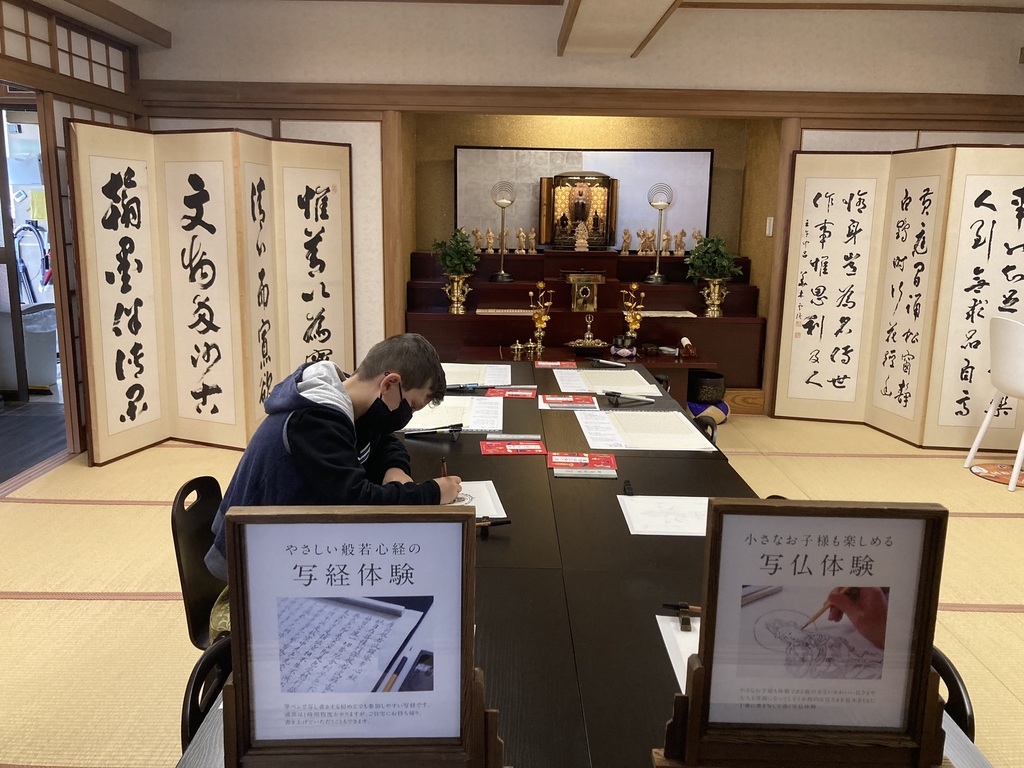
If you want to have some quiet time to meditate, there is space available, too, where you can do sutra copying (写経) or “shabutsu” (写仏), which is a meditative practice to trace pictures of Buddha and other Buddhist deities.

My son was really amused by the tracing activity and completed it in a few minutes- though it’s supposed to be done very slowly to contemplate.

The temple also works closely with doctors, nurses, social workers, psychotherapists to offer free help for those who cannot afford these kinds of services themselves.

They invite academics to do open lectures on non-Buddhist subjects like economics as well.

There are even more radical things they do, but I’ll stop here to not to bore you!

My learning from their adaptability is that traditional arts such as rakugo also have to keep evolving, adapting themselves to the time, here and now. I have to say this temple is way ahead of the world of rakugo.

Home Sweet Home Oiso No.1

It’s 4:30AM.

Someone is making loud scraping noise right outside of our bedroom.

I peek through the curtains…

It’s a surfer, busily applying wax on his surfboard.

Then, I realise- I’m back home in Oiso!

My hometown, which is located 70km to the west of Tokyo, perhaps is one of the Top 10 destinations for the Japanese surfers.

The number of surfers per capita is abnormally high, and in summer the main beach literally gets filled with local and visiting surfers. It’s like the Shibuya Station crossing if you know what I mean.

Naturally, the town is full of the outdoor types, hippies, creatives and plain weirdos (like myself).

It’s a historical town, too, that once hosted 2 ex-Japanese Prime Ministers and 6 other PM’s who had their holiday homes there.

Some of you history-buffs may know that it was one of The Fifty-three Stations of the Tōkaidō during the Edo Period (1603-1867).

The Japanese literary giant, Toson Shimazaki, lived in Oiso, too, and Haruki Murakami still has one of his houses there (he’s rich).

I realised that I am describing it like a utopia, but it’s really a sleepy little town with a population of around 30,000 people. Most Japanese would just bypass right through unless they are surfers or history fans.

But to me this is my home, and I have a lot to talk about!

In the next few blog entries, I will be sharing about this town that only the locals know, including its local legends and folklores.

My back and shoulder are not doing great at the moment, so I’ll stop here for now.

See you next time!