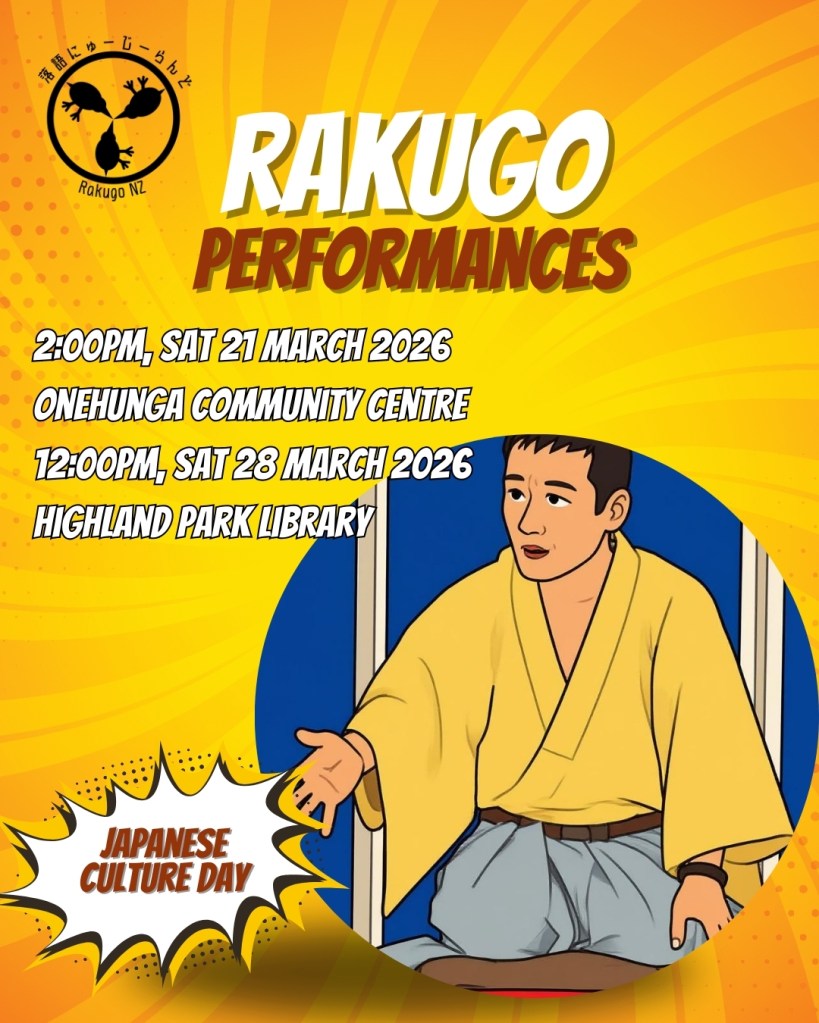
Two public performances are happening soon as part of the Japanese Culture Day celebrations at Onehunga Community Centre and Highland Park Library. There will also be a taiko drumming performance and an origami workshop, so come check out some Japanese culture!
As I am collaborating with the origami workshop, I will be performing the same stories at both events: ‘Jugemu’ and ‘The Judgement of Tengu’.
I have found a new ally, and we might start the rakugo group again- if you are interested in getting involved, please come say hi to me at one of these events 😊
Kia ora everyone- I’m finally back in New Zealand!
Earlier this month, I was lucky enough to celebrate Sagicho (左義長) while I was visiting my hometown, Oiso (大磯), Japan, and the whole experience felt both nostalgic and grounding!
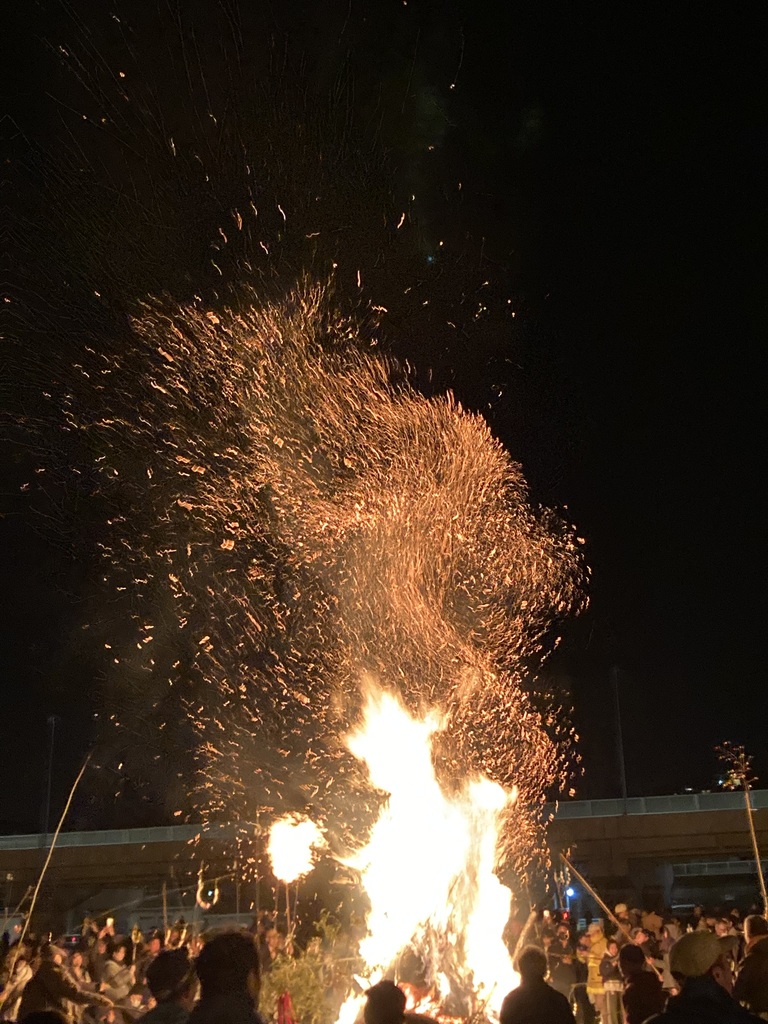
The crackling of the bonfire, the scent of pine drifting through the freezing air, and the sight of everyone gathering to send off the New Year decorations and lucky charms from the previous year reminded me of how deeply these traditions shape the rhythm of the community.
Watching the flames rise against the winter sky made me feel connected to something timeless, and it was a beautiful reminder of why coming home always means so much to me.
This gorgeous fire festival, held in theKitahama (北浜: ‘North Beach’) area of Oiso, is a National Intangible Cultural Heritage. It is celebrated to pray for the safety of one’s family and the health of the community (and also for a better handwriting if you were a calligrapher).
The Journey Begins: Ichiban Musuko (一番息子)
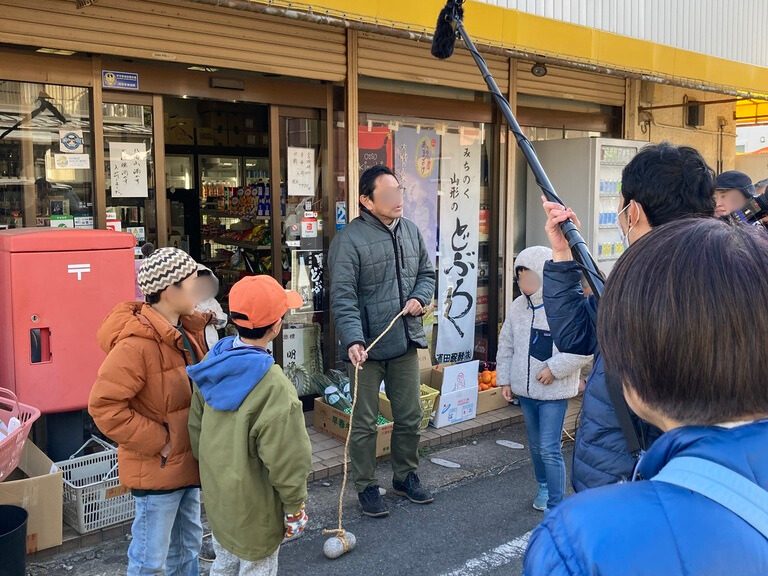
TV crew was there!
Though the bon fire part of the festival is held in January, the spirit of the festival begins much earlier. In early December, an event called Ichiban Musuko (一番息子; literally means ‘The First Son’) marks the start of the New Year season.
Local children go from house to house carrying Goro-ishi (ゴロ石)– a stone tied with a rope made of hay, which is offered to the local deity Saenokamisan (サエノカミサン) to pray for the healthy growth of boys.
As they move through the neighbourhood, the children chant wishes for the residents, such as praying for good health and marriage, and receive small monetary offerings. With this money, the children buy and eat tofu to ward off evil spirits and to ensure they don’t catch colds. This tradition is linked to the legend of Yaobikuni (八百比丘尼; also know as Happyaku Bikuni), a nun who lived 800 years by eating mermaid’s flesh- obviously, its texture is similar to the one of tofu!
The Spectacle of Seetobaree (セエトバレエ)
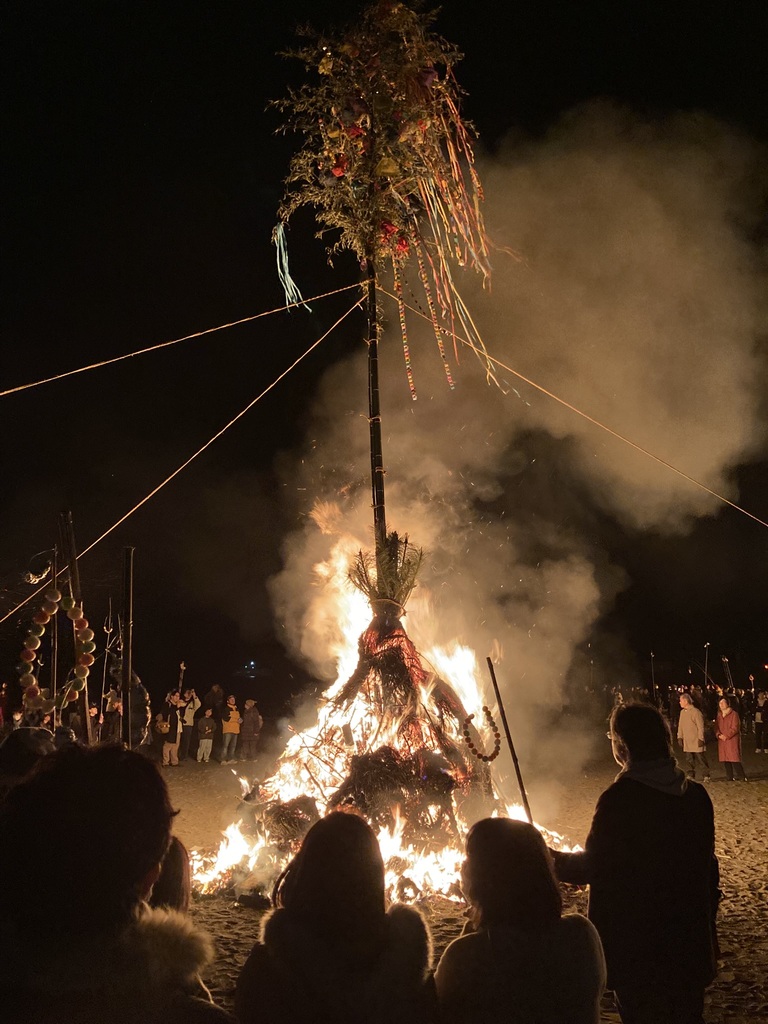
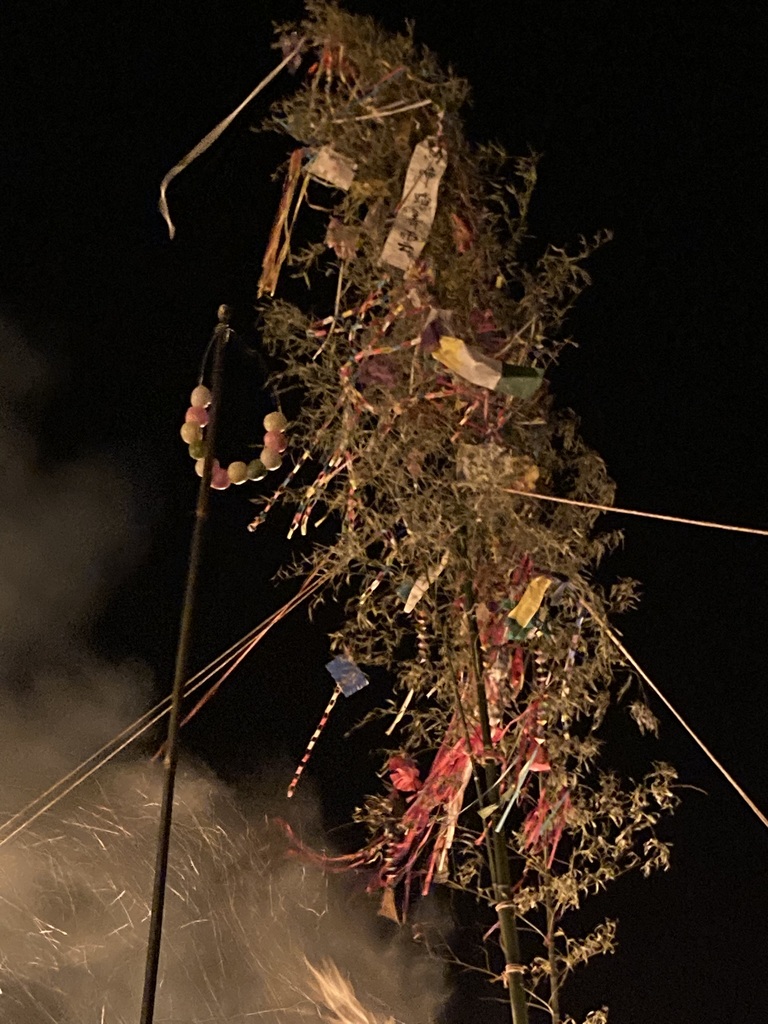
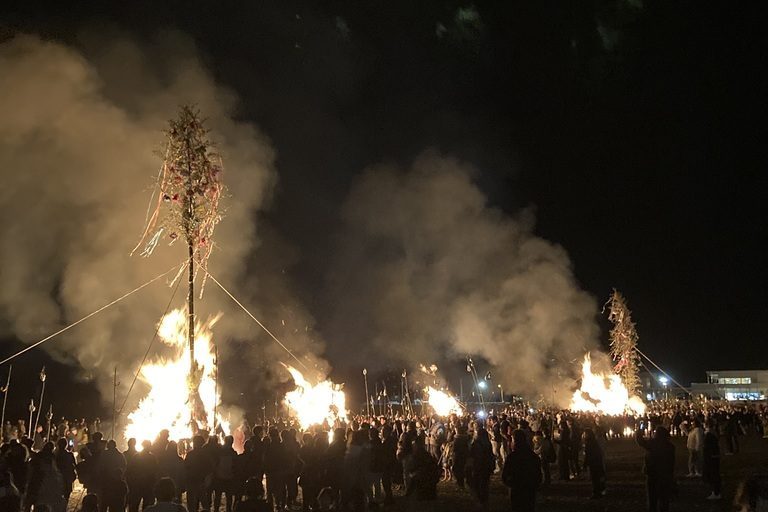
The main event, known as Seetobaree*, takes place on the beach where nine massive structures as in the picture above are erected. These towers reach heights of 13-14 meters. They are intricately decorated with:
Onbe-dake (The bamboo in the middle)
Dharma dolls and lucky charms from the previous year
New Year’s calligraphy (Kakizome)
Around 6:30 in the evening, the towers are lit simultaneously from the “lucky direction” (Ehō; 恵方) of that year. As the flames reach toward the sky, participants roast dango dumplings on long bamboo poles in the fires.
* In my part of Oiso, it was called Dondoyaki(どんど焼き).
Yannagokko (ヤンナゴッコ)
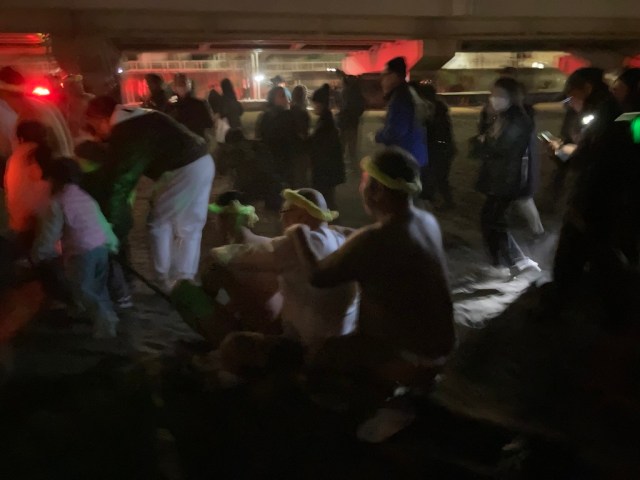
Sorry about the bad photo quality!
As the bamboo towers begin to burn and fall, the festival reaches its most exciting phase: Yannagokko (ヤンナゴッコ). Young men dressed only in loincloths (fundoshi)gather from different districts to engage in a fierce ritual. They chant the Yanna Ondo(ヤンナ音頭) while performing a tug-of-war with a sled-mounted temporary shrine (Kari-miya; 仮宮) with evil spirits trapped inside. By pulling this shrine into the sea three times, the community symbolically drives away the spirits of plague and bad luck. The shrine is destroyed during this ritual.
It was my first time seeing this ritual, but honestly, it looks like a few half‑naked men in loincloths being dragged on a sled- quite a comical sight, even if it’s probably not meant to be 😁.
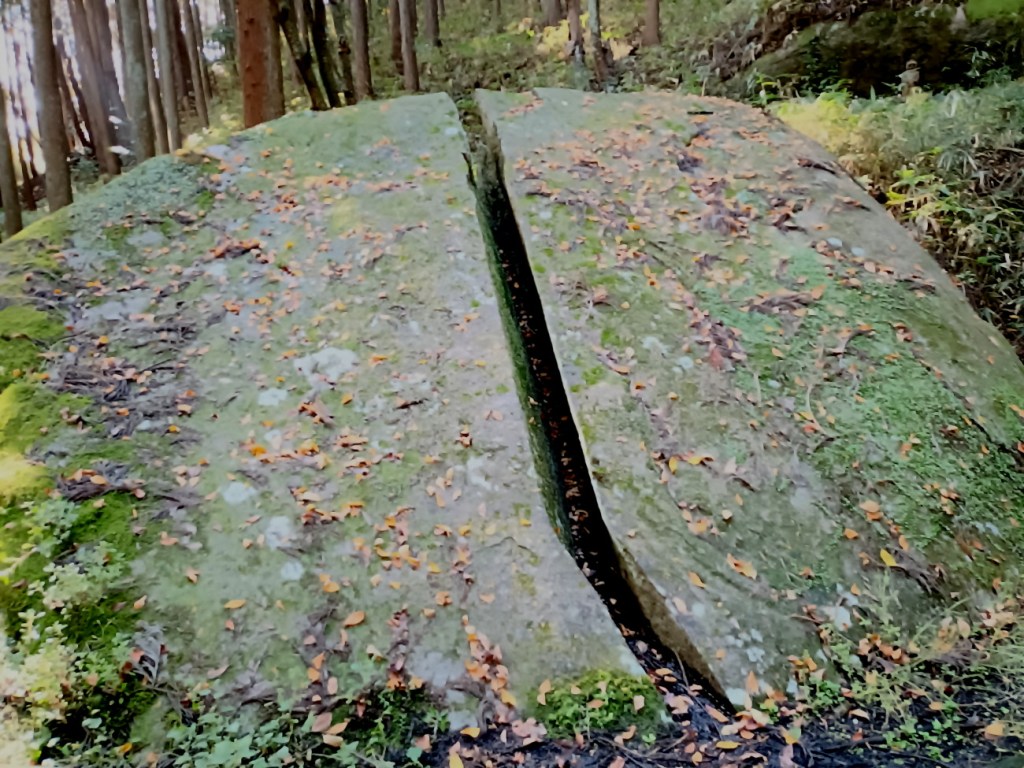
Tucked away in the quiet village of Yagyū (柳生) in Nara lies a massive granite boulder, cleanly split down in the middle. Known as Ittōseki (一刀石)- literally means ‘One-Sword Stone’- this impressive landmark is steeped in legend.
It’s said that Yagyū Muneyoshi (柳生宗厳: also known as Sekishūsai; 石舟斎), the founder of the Yagyū Shinkage-ryū School of Swordsmanship (柳生新陰流), once mistook a tengu for an opponent during his training. With a single, decisive cut, he struck- only to find he had cleaved this very stone in two.
Recognise this scene from somewhere else? That’s right- it’s from Demon Slayer: Kimetsu no Yaiba (鬼滅の刃), one of the most popular and commercially successful manga/ anime series of all time!
Though Muneyoshi doesn’t appear directly in Demon Slayer, fans may find this tale oddly familiar. The Ittōseki is widely believed to have inspired the iconic scene where Tanjiro slices through a massive rock during his training. For many, this connection has transformed the Yagyū village into a kind of pilgrimage site- a sacred ground where history, legend, and pop culture converge.
Whether you’re drawn by history or anime homage, the Ittōseki stands as a powerful symbol of discipline, myth, and the fine line between reality and imagination.
If you’ve been following NHK’s hit TV drama Bakebake (The Ghost Writer’s Wife) like my parents, you already know how Japan’s rich tradition of ghost stories and folklore continues to captivate audiences nationwide. The drama, inspired by the life and works of Lafcadio Hearn (Koizumi Yakumo), has brought renewed attention to the eerie yet beautiful tales that shaped Japan’s cultural imagination.
For those unfamiliar with Hearn, he published Kwaidan: Stories and Studies of Strange Things in 1904, a remarkable compilation of Japanese ghost stories. Before its publication, these tales had been passed down locally in various regions of Japan, but this volume immortalised them and introduced them to the rest of the country- and eventually the world. Mind you, the book was first written in English and only later translated into Japanese.
Without Hearn’s work, stories like Hoichi the Earless (耳なし芳一), Yuki Onna (Snow Woman; 雪女), Rokurokkubi (a long‑necked yokai; ろくろ首), and Mujina (Japanese badger/raccoon dog; ムジナ) might never have reached us in their now‑familiar form.
Mujina is the creature that transforms into the famous yokai known as Nopperabo, on which the rakugo story Nopperabo is based. In that sense, this rakugo piece would not have been born without Hearn’s influence.
Hearn himself- a Greece‑born British citizen- married a Japanese woman named Setsu and became a naturalised Japanese citizen. Before that, he had been married to an African American woman during his time in the United States, despite interracial marriage being illegal at the time. He was a true revolutionary, someone who recognised the hypocrisy of the system and chose to follow his heart.
If you’d like to know more about Nopperabo, I also have a video of my rakugo performance.
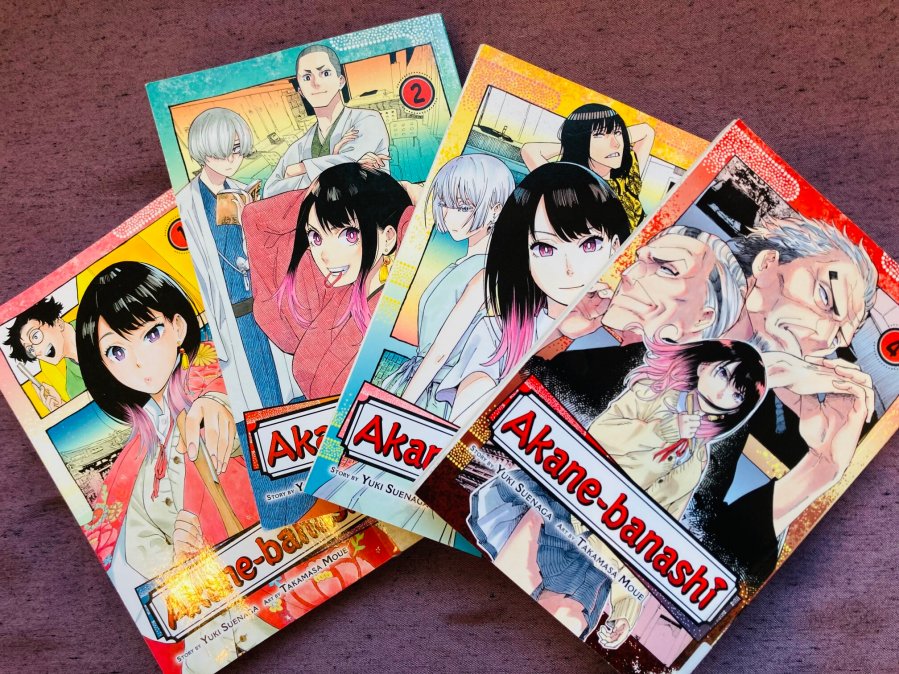
🎉 Super exciting news for rakugo and anime lovers! The acclaimed rakugo manga Akane-banashi is officially getting an anime adaptation in 2026!
If you’ve already read the manga, you know how brilliantly it captures the dynamic spirit and deep traditions of rakugo- bringing this storytelling art to audiences who may be discovering it for the first time.
What makes Akane-banashi even more special is its amazing protagonist: Akane Osaki. In a genre (shonen manga) often dominated by male leads, this Shonen Jump series stands out with a strong, determined young woman at its heart- and this alone is worth celebrating!
Created by writer Yuki Suenaga and illustrator Takamasa Moue, the story follows Akane, a girl mesmerised by her father’s rakugo performances. She spends countless hours imitating his stories, secretly watching his training sessions. But when her father is abruptly expelled from the rakugo association and forced to stop performing, Akane sets out to uncover the truth behind his dismissal. Guided by her father’s former master, she begins her own journey to become a rakugo performer.
While Showa Genroku Rakugo Shinju helped introduce rakugo to international audiences through its poignant (and sometimes super depressing…) storytelling, I believe Akane-banashi has the potential to reach even further.
Since its debut in Weekly Shonen Jump in February 2022, Akane-banashi has been a standout hit, earning nominations for both the 16th Manga Taisho Award and the 47th Kodansha Manga Award.
This is one anime adaptation you won’t want to miss!
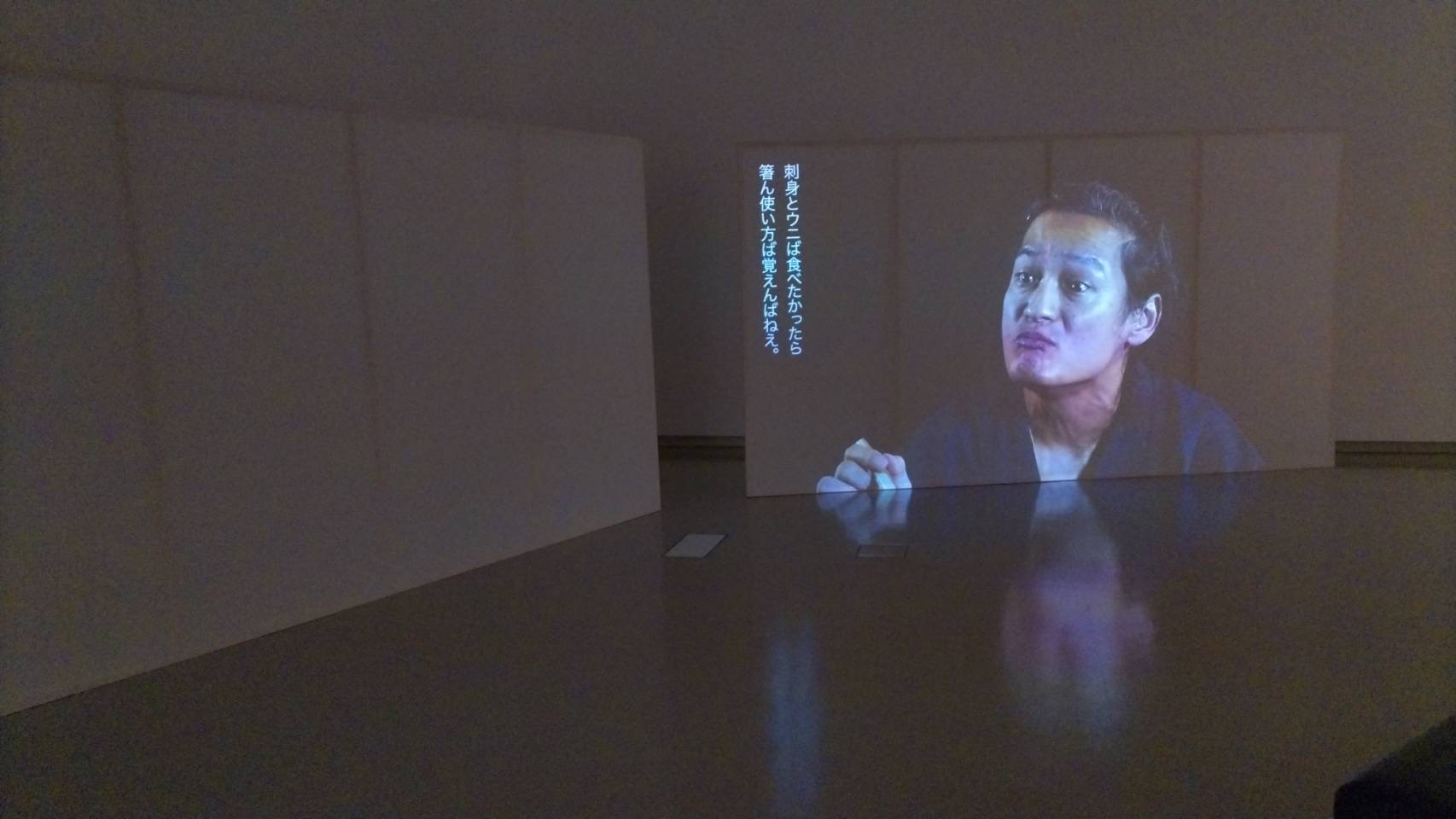
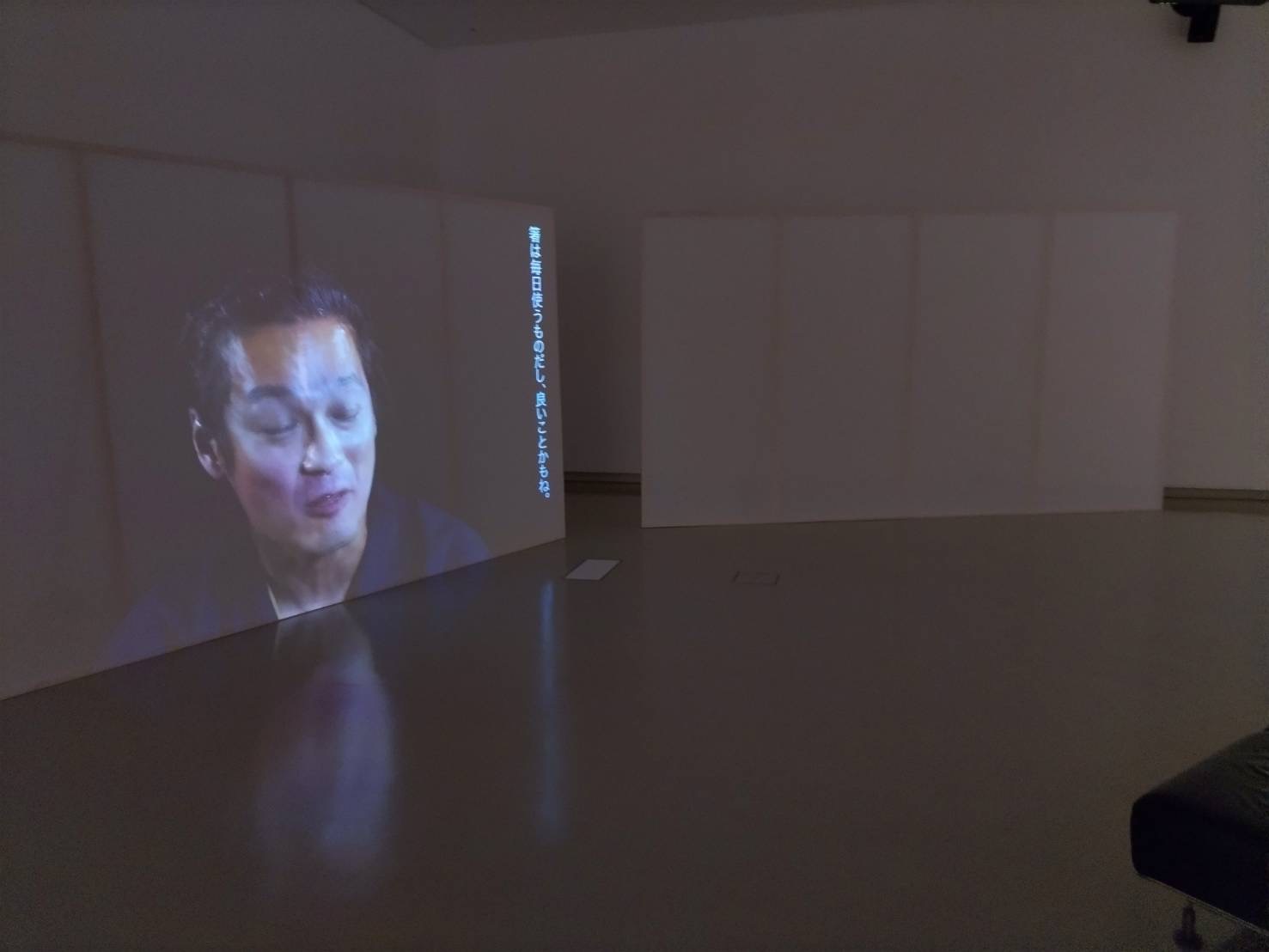
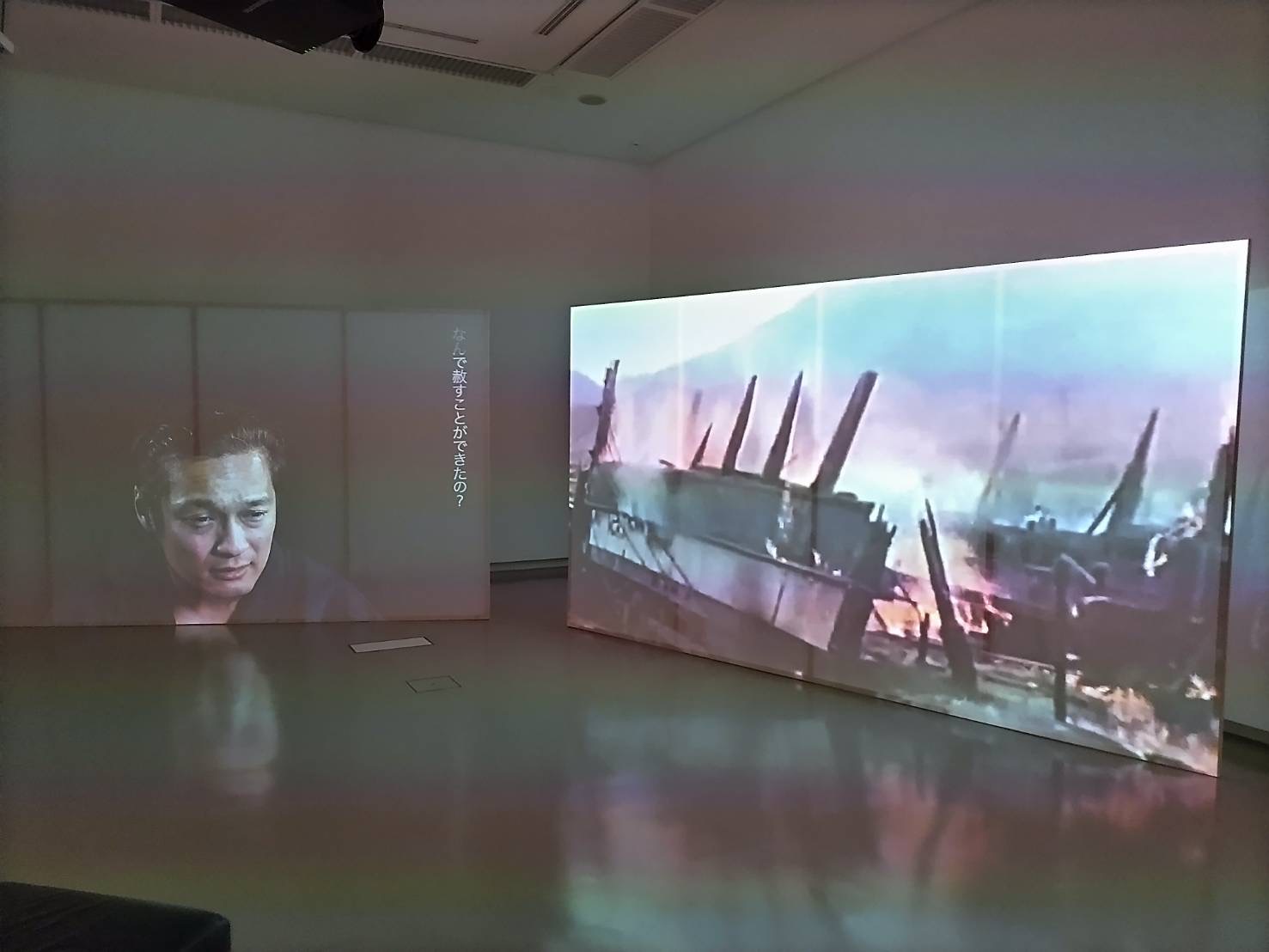
As we mark the 80th year since the atomic bombings of Hiroshima and Nagasaki, An Ordinary Life— a video installation created by Fiona Amundsen and me for Christchurch Art Gallery—is currently on display at the Hiroshima City Museum of Contemporary Art.
The work reflects real and imagined conversations with my late grandfather, an eyewitness of the destruction of the Nagasaki atomic bomb. We used rakugo as our medium of storytelling, incorporating zanshin, a concept from aikido, which Fiona practices (2nd dan black belt).
The exhibition runs until 15 September. If you happen to be in the area, please visit and take a moment to reflect on the importance of peace.
The world we live in, I believe, is not the kind of world those who departed in WWII envisioned. It feels overwhelming to try to change the entire world—but I can change myself, and perhaps a few people around me.
Am I walking a path of peace?
I want to become a more peaceful person, so I won’t disappoint my grandpa when I see him again in the next world—if such a place exists.
* Photos were kindly provided by my rakugo master, Kanariya Eiraku, who visited the museum during his recent trip to Hiroshima.







 English Rakugo NZ