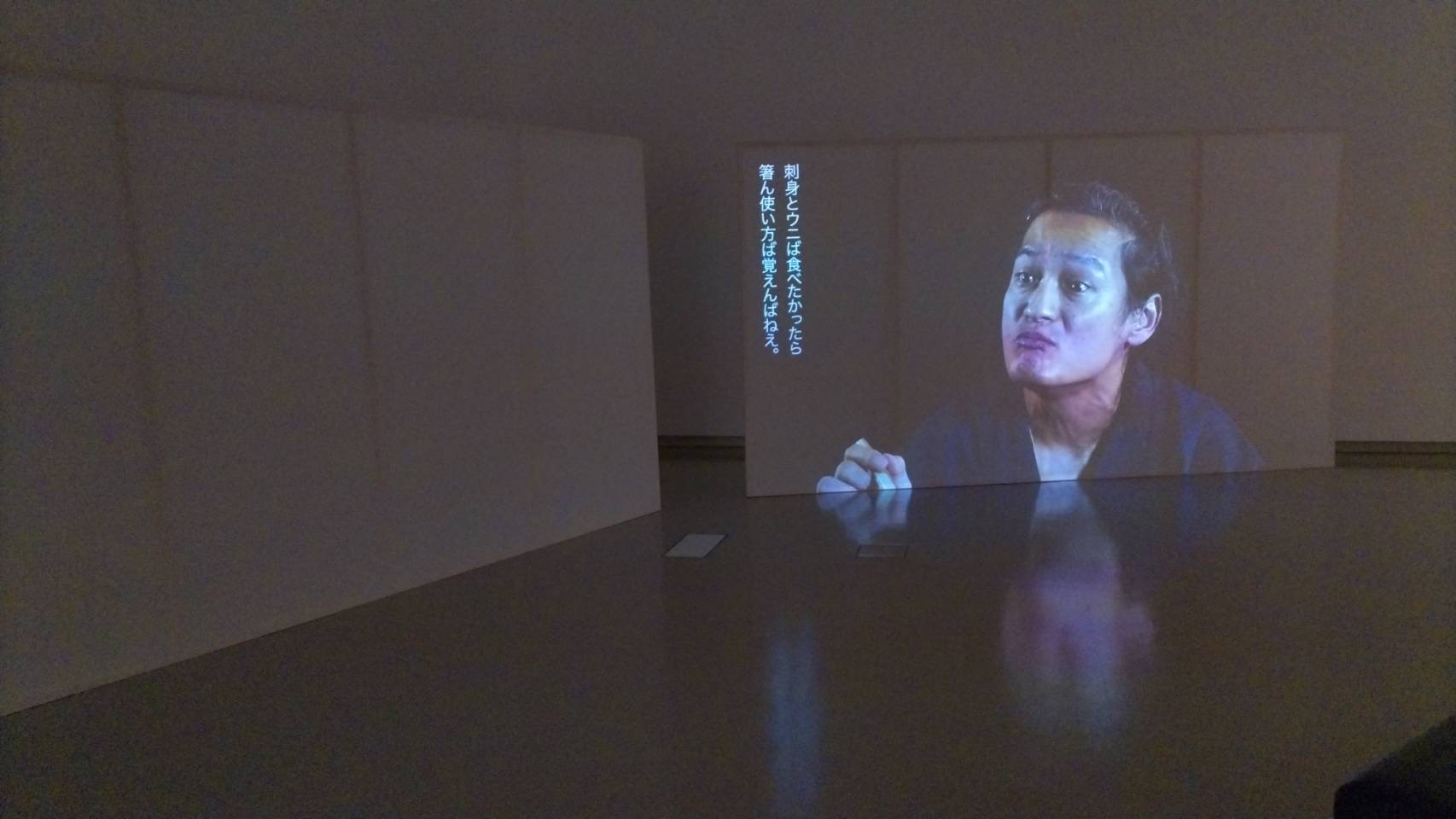
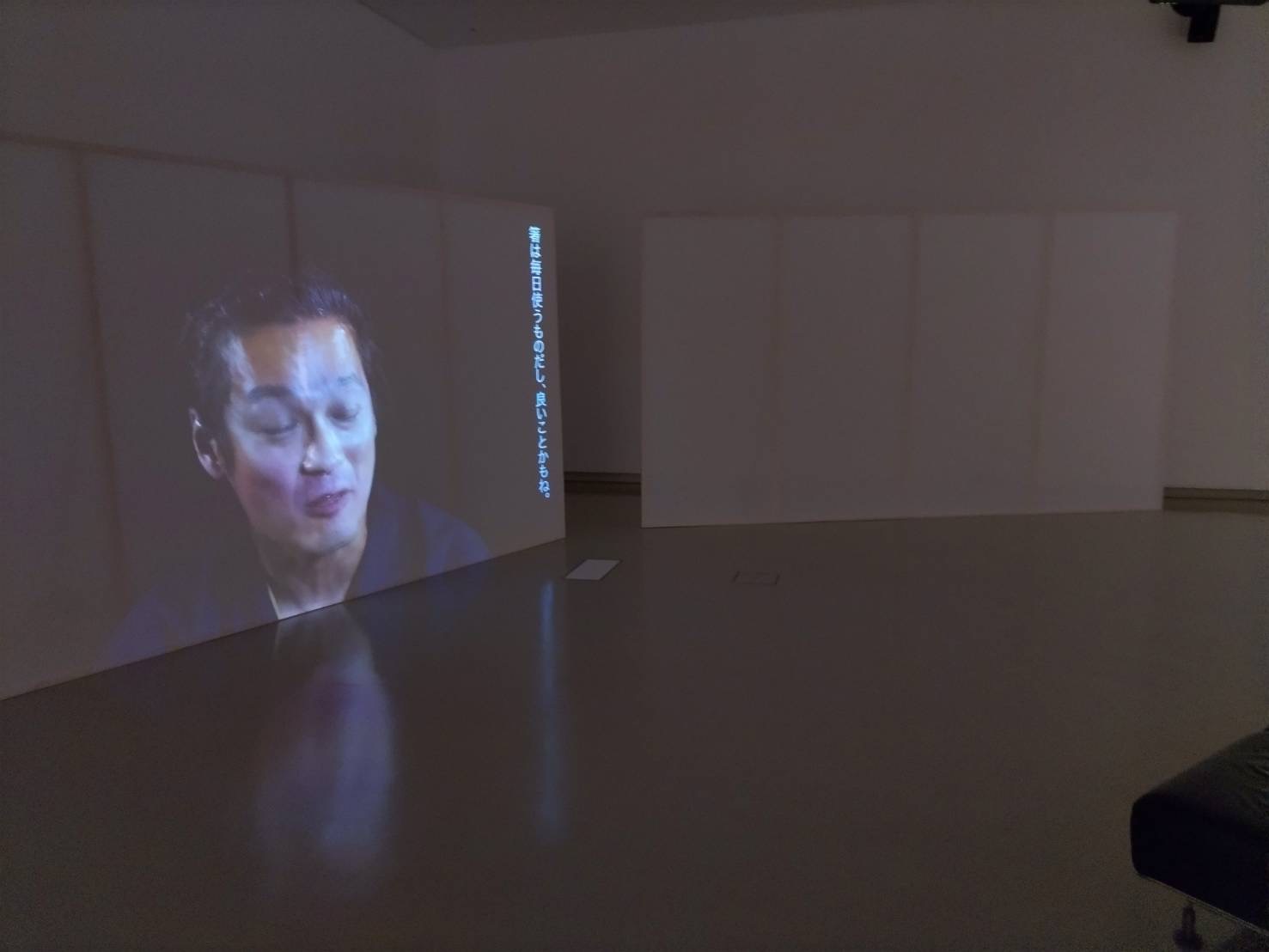
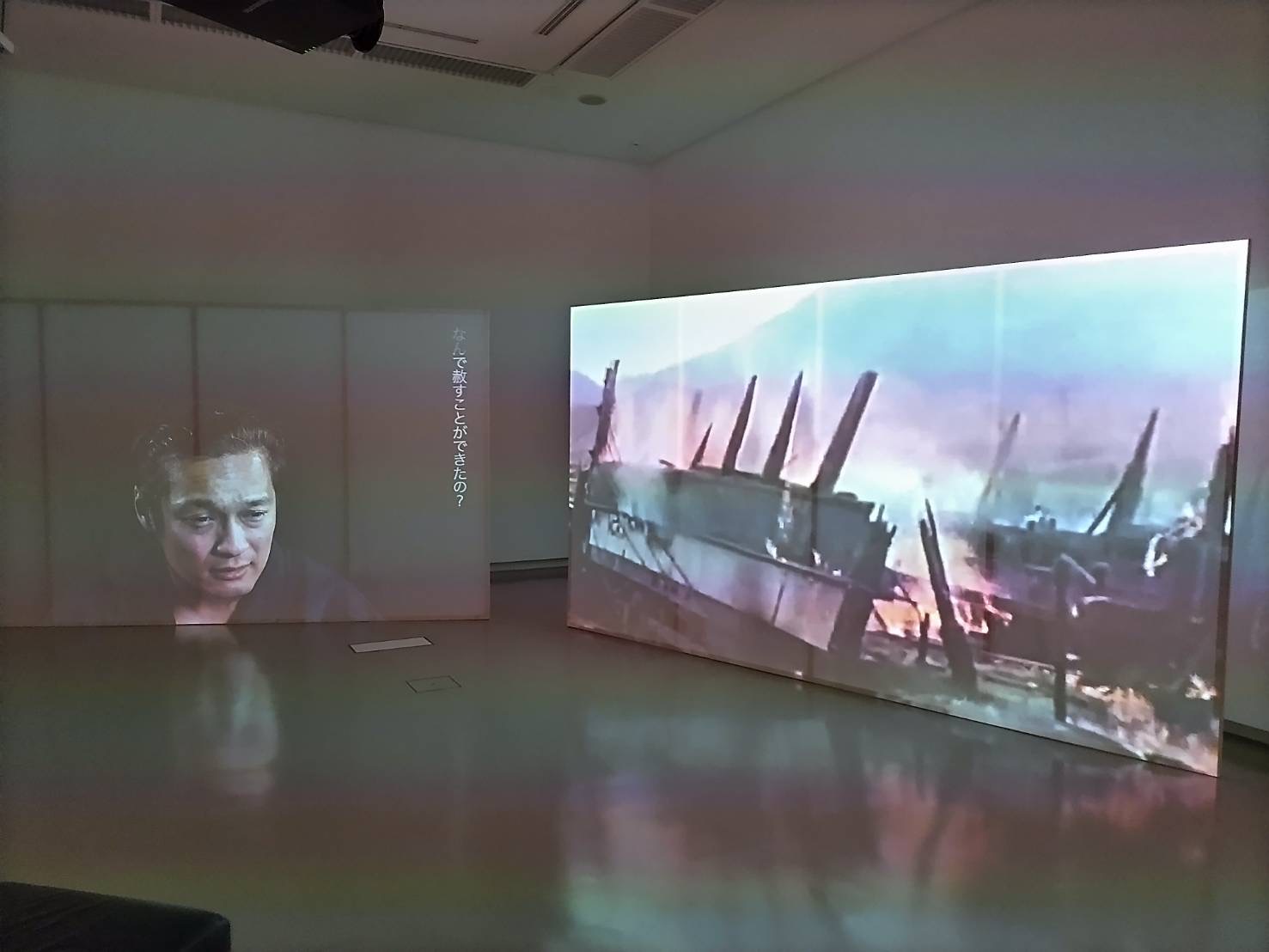
As we mark the 80th year since the atomic bombings of Hiroshima and Nagasaki, An Ordinary Life— a video installation created by Fiona Amundsen and me for Christchurch Art Gallery—is currently on display at the Hiroshima City Museum of Contemporary Art.
The work reflects real and imagined conversations with my late grandfather, an eyewitness of the destruction of the Nagasaki atomic bomb. We used rakugo as our medium of storytelling, incorporating zanshin, a concept from aikido, which Fiona practices (2nd dan black belt).
The exhibition runs until 15 September. If you happen to be in the area, please visit and take a moment to reflect on the importance of peace.
The world we live in, I believe, is not the kind of world those who departed in WWII envisioned. It feels overwhelming to try to change the entire world—but I can change myself, and perhaps a few people around me.
Am I walking a path of peace?
I want to become a more peaceful person, so I won’t disappoint my grandpa when I see him again in the next world—if such a place exists.
* Photos were kindly provided by my rakugo master, Kanariya Eiraku, who visited the museum during his recent trip to Hiroshima.
During my recent visit to Japan, I got to experience the entire New Year celebrations with my family. It was the first time in at least a decade to go through the entire routine that I once did every single year until I left my homeland when I was 19.
I am sure there are local and family variations, but here is how it is generally celebrated in my area:
Towards the end of December
Year-end Cleaning: We clean the entire house towards the end of the year. It is like the spring cleaning in the west, but we do this in winter instead. This is based on the concept of ‘kiyome’ (清め) or ‘cleansing’ before welcoming the new year.
Osechi Making: Osechi is a traditional Japanese New Year feast, which is basically an elaborate bento. Each item has a special meaning, wishing for health, prosperity, and happiness in the coming year. Traditionally, it was pre-cooked before New Year’s Day so that the family members did not have to cook for the first few days of the year to relax.
31 December
Soba Noodle Eating: We eat soba noodles to wish for health and longevity. In some areas in Japan, they eat soba noodles on 1 January instead. The toppings also vary depending on the area. In my family, we do this ‘ritual’ towards midnight, sometime around 11:00 PM.
Kōhaku Uta Gassen: In the evening, many Japanese families watch the Red and White Singing Competition (Kōhaku Uta Gassen) on NHK, our national TV. It is basically a concert that showcases the best singers in Japan.
New Year’s Day
Shrine Visit: Families visit their local shrine to pray for good luck and health. Many families visit shrines in the first three days of the year (sanganichi; 三が日), but it is my family tradition to visit our local shrine at 12:00 AM midnight.
First Sunrise Gazing (初日の出): After a short sleep, we get up at the sunrise to pray to the sun. I’d say it is more cultural than religious, but it is said to be auspicious to gaze at the first sunrise of the year.
Breakfast: We eat the osechi that we prepared towards the end of the previous year. We also drink otoso, which is sake with some medicinal herbs, to pray for good health and well-being for the year. It tastes aweful, by the way!
New Year Cards: New Year Cards (Nengajou, 年賀状) start arriving around 10:00AM. The number of the New Year cards is an indicator of your popularity. As I grew up, I only received 20-30 cards while my dad received 500 plus. People are moving away from this custom these days, though. Many youths just email or text on LINE, which is like the Japanese version of WhatsApp.
Otoshidama(お年玉): If you are still a child or a teenager, you receive some pocket money in a little envelope called ‘pochi-bukuro’ (ポチ袋). As I grew up, my Kansai (Western Japan) relatives tended to give me more 😁
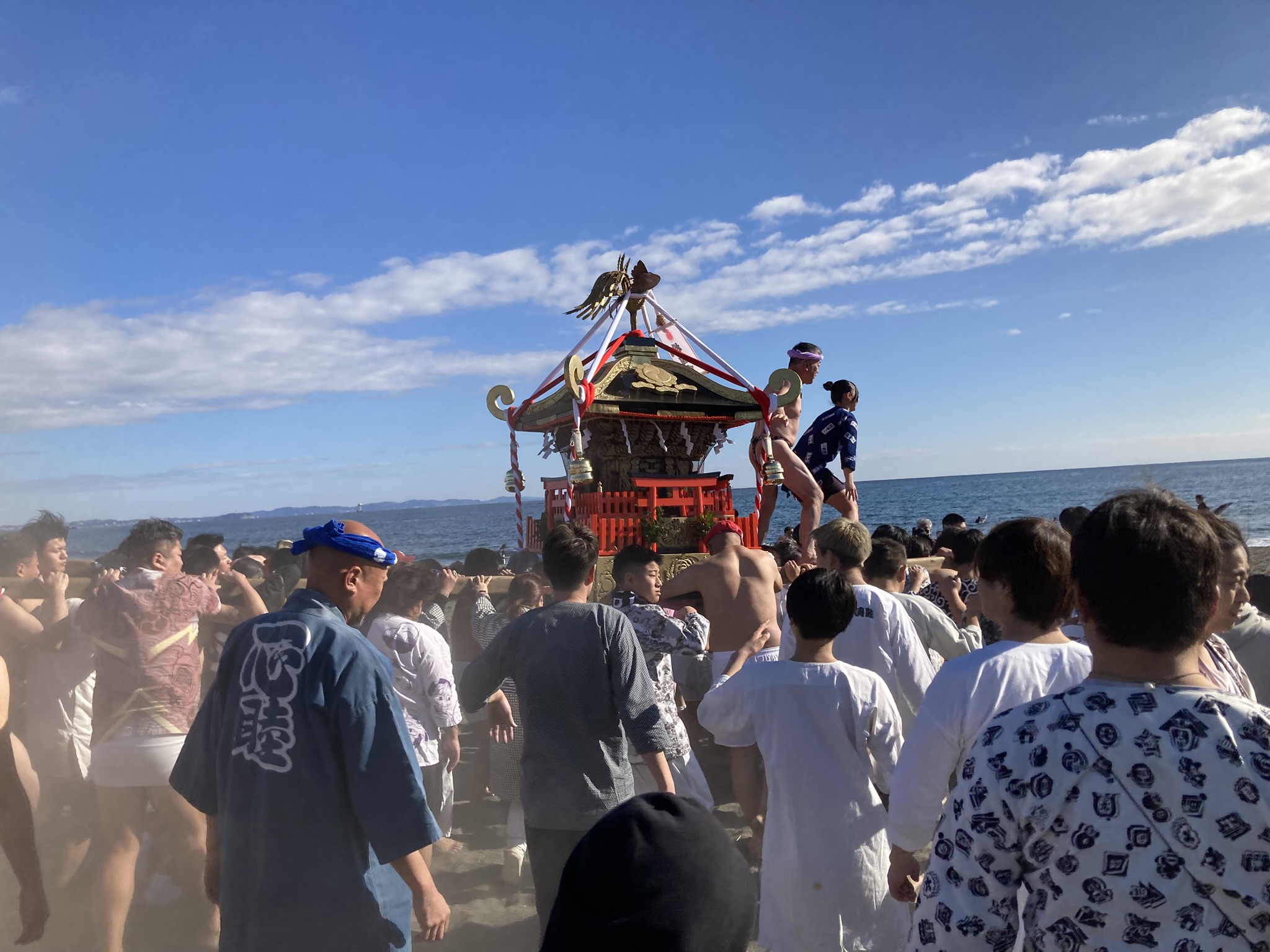
Community Celebrations: Depending on the area you live in, there might be some community celebrations. In my hometown, a mikoshi palanquin (a portable shrine) is taken into the sea to pray for the water safety for the year.
I have created a YouTube video about this subject, so if you are interested, please visit my YouTube channel. Make sure to subscribe if you still haven’t!
It’s been 8 months since I closed my Twitter/ X account.
The platform was getting filled up with hate speech, misinformation, and trolls, and I no longer wanted to be a cog for the billionaire’s virtual playground where I was one of his products.
But… I have to admit that I later regretted my decision when my account was completely swiped off the system. I really felt, then, that regardless of all the cons, what mattered the most was the real people on the other side of the digital sinkhole.
I almost felt guilty that I chose my dislike of the platform over the real people who I knew in real life and those who I’d possibly meet in the unforeseen future.
Having said that, it’s time to move on.
The problem with X was that a single powerful person (or an egomaniac?) dominated the entire platform. Unfortunately, this could potentially happen to all other centralised platforms including Meta-owned sites like Facebook, Instagram, Threads, or even WhatsApp, which means pretty much all the major platforms in the world.
However, as a true “indie of indies”, I cannot do without SNS to share my work as a rakugo performer, and this has been a huge dilemma to me.
In an ideal world, I’d rather meet and chat with people face-to-face rather than only connecting with them virtually. But I’ve been told by my producer and actor friends that I must keep at least one major platform, which according to them is Instagram, Facebook, or X. In fact, one of the recent contracts that I signed said, I have an obligation to share the event that I’m involved in at least 3 times via my SNS, so I literally can’t get rid of them 😁
Then, enters the Fediverse concept.
I don’t fully understand it, but it’s basically a collection of social networking sites that can communicate with each other, therefore not bound by one single individual or company unlike other platforms.
In Fediverse, you can move around between platforms. So even if you close down your current account, you can take it with you to another platform.
WordPress, Mastodon, and Bluesky probably are the most famous ones, but recently Threads (half-) entered the Fediverse.
It seems like some instances (or servers) have rejected to connect with Meta-owned Threads as it might interfere with their internet freedom. I don’t really know enough about the consequences of their participation, but we’ll see.
But for now, to look ahead for the future, it’d make sense for me to stick with platforms in the Fediverse.
You are most likely to find my latest news and thoughts on Mastodon and Threads… for the time being.
I have just learned about the passing of another great rakugo master, Katsura Zakoba II.
According to JiJi Press, he passed away due to his asthma yesterday (Wednesday 12 June 2024).
He was one of my favourite performers of all time, and I loved his warm-hearted AND hilarious rakugo so much.
As some of you may know, he has his relatives in New Zealand, and his entire rakugo family once visited here to entertain the Japanese community in Auckland. It seems like the Japanese Kiwi singer, JAY’ED, is his nephew, so perhaps through this connection he decided to produce the show.
This performance was broadcast in Japan. I was laughing so uncontrollably that the TV cameraman caught me, and some of my relatives saw me on TV and contacted me, saying, “I saw you laughing hard out!”.
It was how good he was and how happy he could make people around him.
I was your huge fan, Shisho!
Hope you are having fun catching up with other masters who have already passed on!
I have a large stack of the lucky charms that my dear mother in Japan have sent me over the last 20 plus years.
We avoid numbers like 4 and 9 because 4 (四 shi) rhymes with death (死 shi) while 9 (九 ku) rhymes with suffering (苦 ku).
When I turned 44, my mum sent me heaps of lucky charms to ward off bad luck. I can predict that I’ll be bombarded with some more lucky charms when I turn 49 next year.
Having said that, I grew up more of a cynical sceptic, taking after my dad.
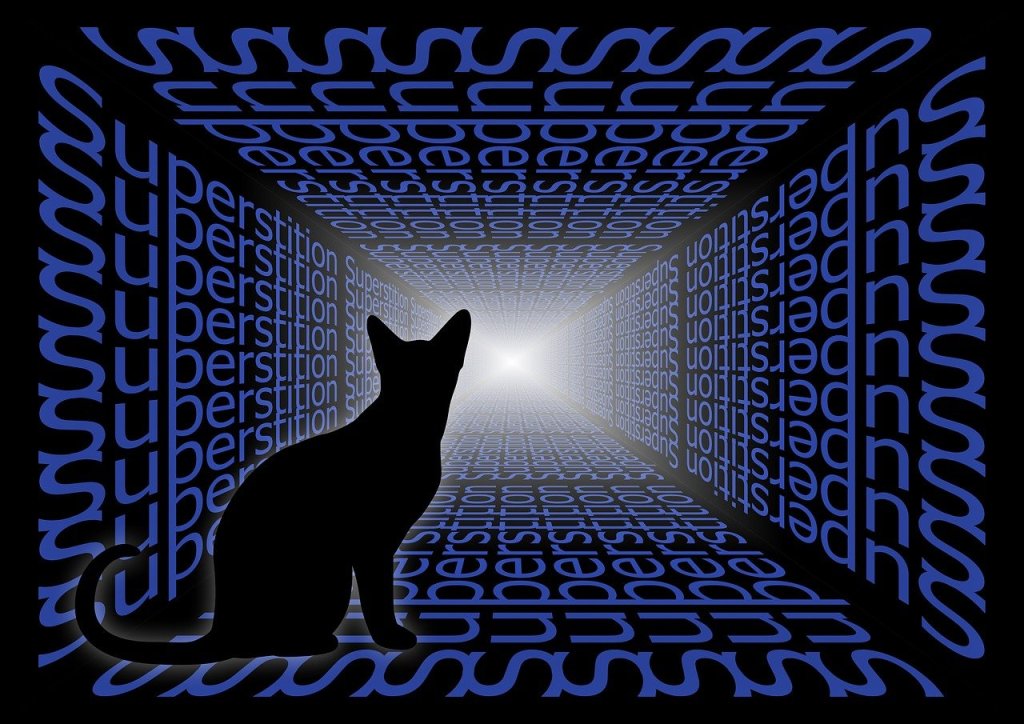
So I thought, but I recently realised that I am actually both sceptic and superstitious- just like the rest of Japan.
Most of us say that we are non-religious, but we love visiting shrines, temples, and even churches and vaguely believe in the unseen world. We are not atheists as some westerners say.
Since I started learning about the traditional Māori calendar called maramataka, I’ve got really curious about our own traditional calendar, and I’ve been learning about it for the last few months.
First, look at the Japanese calendar of this month (June 2024) below. Most of our calendars tell us the luck of each day.
For example, 24th June 2024 is a Taian (大安), one of the luckiest days, and many Japanese weddings are held on a Taian.
On the other hand, 17th June 2024 is a Butsumetsu (仏滅), and it’s the unluckiest day in Japanese calendar. Most couples avoid this day to get married.
As I grew up, I’d always thought Taian was the luckiest day, but I have recently learned that there are luckier days in the year.
It is called Tenshanichi (天赦日 てんしゃにち), which only happens 5-6 times a year. It is believed that all the gods rise up to the heavens and forgive all the sins of people on this day.
When Taian and Tenshanichi overlap, it is even more auspicious.
There is another lucky day called Ichiryumanbaibi (一粒万倍日 いちりゅうまんばいび), which literally means “the day one seed turns into 10,000 seeds”.








 English Rakugo NZ