‘An Ordinary Life’ at Hiroshima City Museum of Contemporary Art

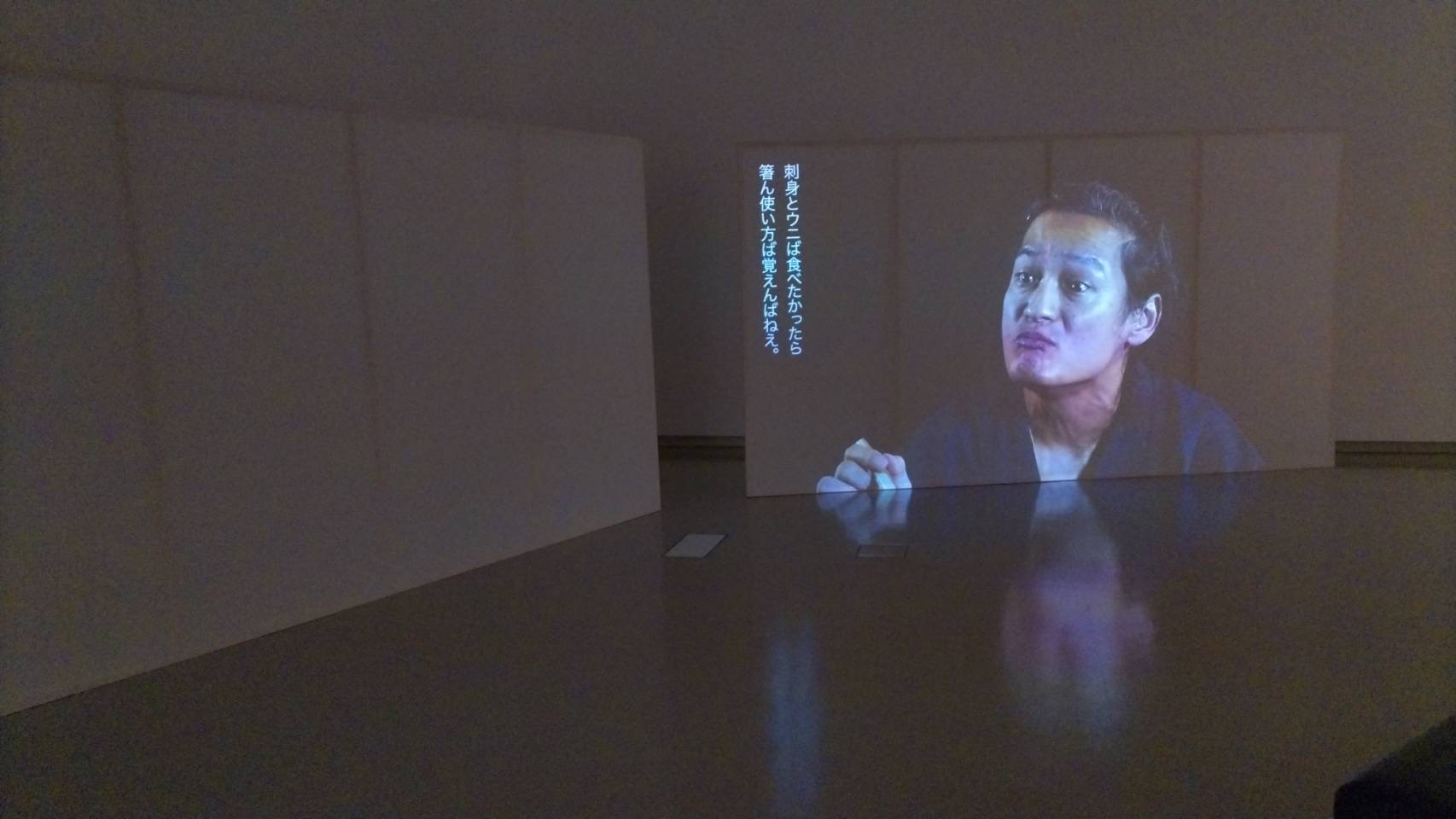
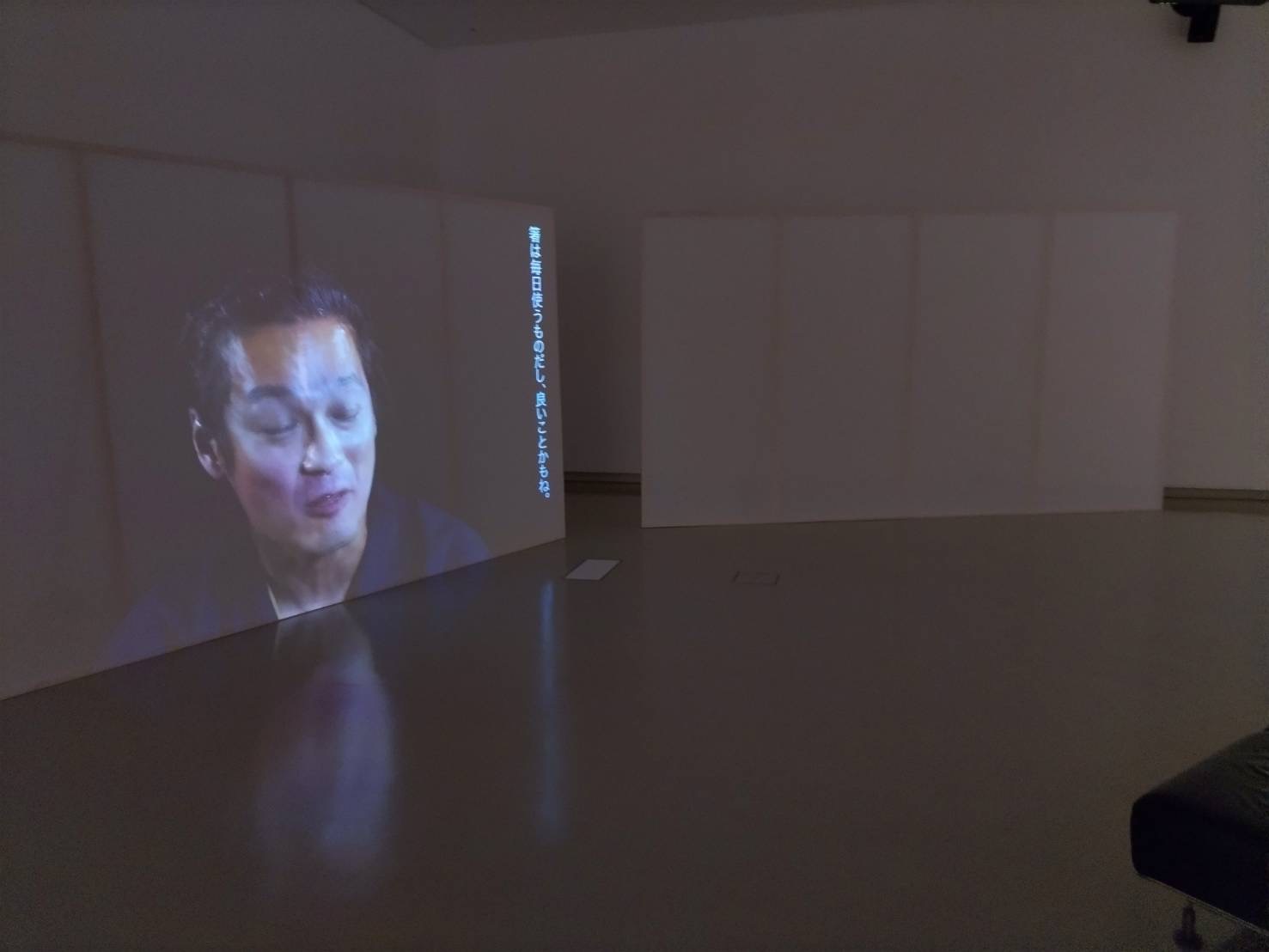
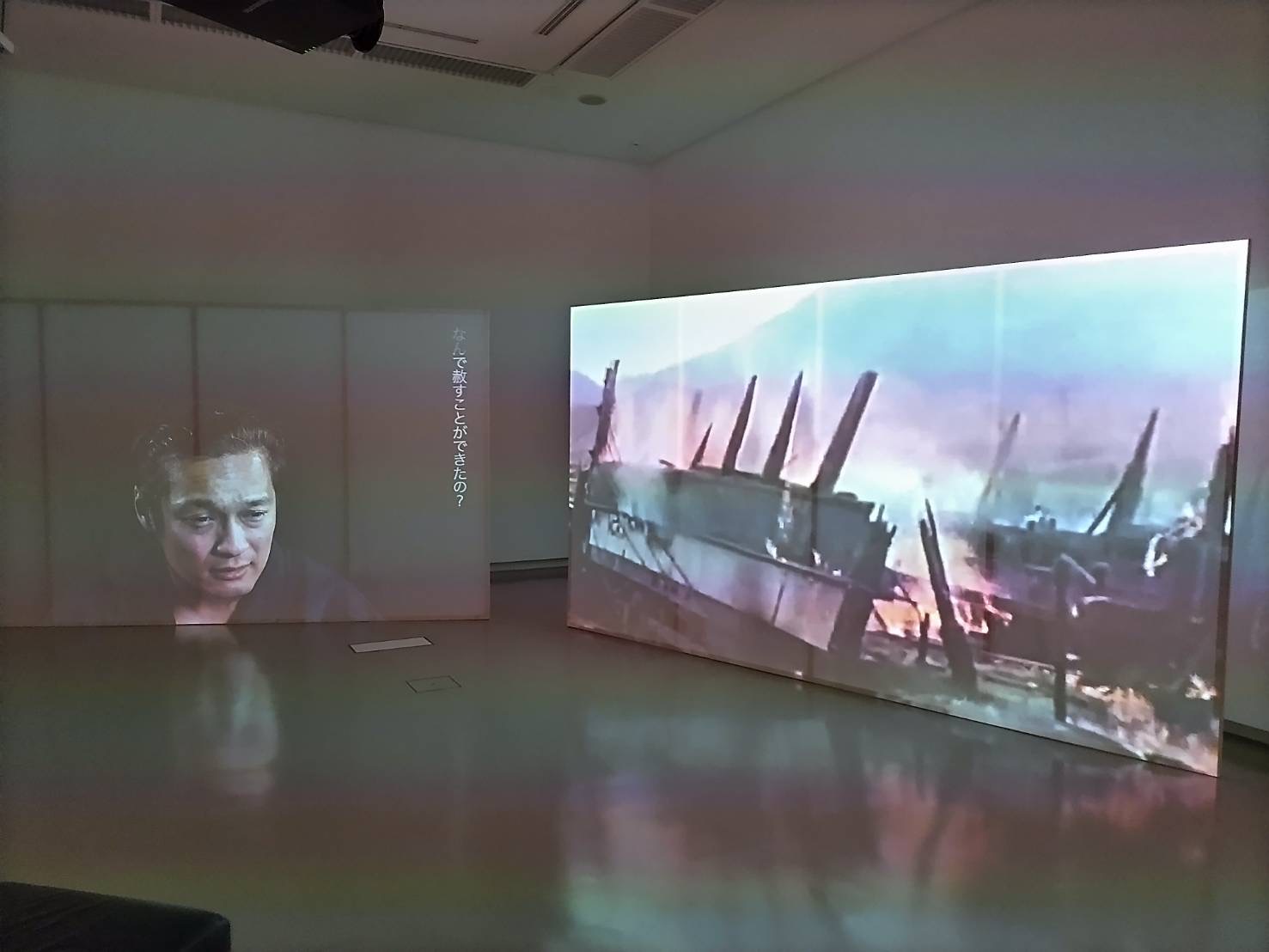
As we mark the 80th year since the atomic bombings of Hiroshima and Nagasaki, An Ordinary Life— a video installation created by Fiona Amundsen and me for Christchurch Art Gallery—is currently on display at the Hiroshima City Museum of Contemporary Art.

The work reflects real and imagined conversations with my late grandfather, an eyewitness of the destruction of the Nagasaki atomic bomb. We used rakugo as our medium of storytelling, incorporating zanshin, a concept from aikido, which Fiona practices (2nd dan black belt).

The exhibition runs until 15 September. If you happen to be in the area, please visit and take a moment to reflect on the importance of peace.

The world we live in, I believe, is not the kind of world those who departed in WWII envisioned. It feels overwhelming to try to change the entire world—but I can change myself, and perhaps a few people around me.

Am I walking a path of peace?

I want to become a more peaceful person, so I won’t disappoint my grandpa when I see him again in the next world—if such a place exists.

* Photos were kindly provided by my rakugo master, Kanariya Eiraku, who visited the museum during his recent trip to Hiroshima.

Uncover the Magic of Rakugo: A Beginner’s Guide to Japanese Comic Storytelling

Happy Lunar New Year! Wishing you and your family peace, happiness, and good fortune!

To celebrate this special occasion, I have decided to write a beginner’s guide to rakugo. It is based on an introduction video that I made for YouTube, but I thought a note that accompanies it would be good addition for you to deepen your understanding of rakugo 😊 So…

Have you ever stumbled upon this storytelling tradition that’s both ancient and strikingly modern? Enter the world of rakugo, the Japanese traditional art of comic storytelling that blends storytelling with theatrical flair. It’s more than just comedy; it’s a window into Japanese culture and a testament to the power of narrative (I dare say!). Hopefully, this guide will introduce you to the unique and exciting world of rakugo!

What Exactly is Rakugo?

At its heart, rakugo is a 400-year-old Japanese tradition of comic storytelling. While you might initially think that it might be like stand-up comedy performed sitting down, but it is actually quite different. It’s a form of narrative performance where the goal is to engage and captivate the audience, not just make them laugh. Rakugo stories can be incredibly diverse, ranging from lighthearted ghost stories and tragedies to fantastical tales, erotica, and even science fiction. I personally see it like a sitcom or an old-time radio show, delivered by a single storyteller.

Key Elements that Make Rakugo Unique

  • Traditional Meets Contemporary: Rakugo is both traditional and contemporary. Performers almost always wear kimono, honoring the traditions of the past, but the stories themselves can explore themes of the present and even the future.
  • Minimalist Staging: In the Tokyo (Edo) style of rakugo, performers use only two props: a fan and a tenugui (traditional Japanese towel). The fan, also known as ‘kaze’ (literally means ‘wind’) in rakugo circles, can be used to create sound effects or symbolise various objects like a calligraphy pen or chopsticks. The tenugui, also referred to as ‘mandala’, is a highly versatile prop that can represent anything from a book to a wallet or even a smartphone!

The Art of the Single Performer

Rakugo is performed by a single storyteller who takes on all the characters within the narrative. Very subtle head movements and shifts in gaze are used to differentiate between each character. The performer’s direction of gaze also indicates social status and whether they are indoors or outdoors.

  • Characters with higher social status are indicated by the performer looking stage right, while those of lower status are indicated by looking stage left.
  • Characters inside a building are indicated by the performer facing stage right while those outside always face towards stage left regardless of the character’s social status.

The Historical Roots of Rakugo

The origin of Rakugo is often traced back to Seigan Temple (誓願寺) in Kyoto. It’s said that a monk named Anrakuan Sakuden (1554-1642) began incorporating characters and anecdotes into his Buddhist sermons to keep his students engaged. His approach was a means of enlivening what might otherwise be considered dry religious teachings. He compiled a book called Seisuishou (醒酔笑) in 1623, marking a significant milestone in the history of rakugo.

Rakugo further developed in two major Japanese cities with regional differences:

  • Osaka/ Kyoto: Rakugo initially evolved as a lively street performance, incorporating music and sound effects.
  • Edo (Tokyo): In Tokyo, rakugo became more of a theatrical performance, focusing on the art of storytelling with minimal props.

Why Should You Experience Rakugo?

Rakugo is a unique experience, far removed from the typical Western theatrical fare. It’s not just a performance; it’s a cultural memory that blends storytelling, minimalist performance, and a connection to Japan’s history. Whether you’re seeking a different kind of comedy or an enriching cultural experience, rakugo offers a journey into a world that is both familiar and wonderfully unique… and sometimes VERY quirky!

If you prefer just watching the video… (maybe I should’ve put the video above, but hey I wanted you to read the article!)

Update & Free Rakugo Performance?

Kia ora from Auckland, New Zealand!

Hope all is well with you all 😊

Here in Auckland, some parts of the city were flooded once again the day before yesterday, and last night we had a thunderstorm with hail where a lightning struck the Sky Tower. The temperature dropped nearly 10 degrees overnight, too.

My life isn’t as dramatic as the Auckland weather these days, but it’s definitely about time for an update on the rakugo front.

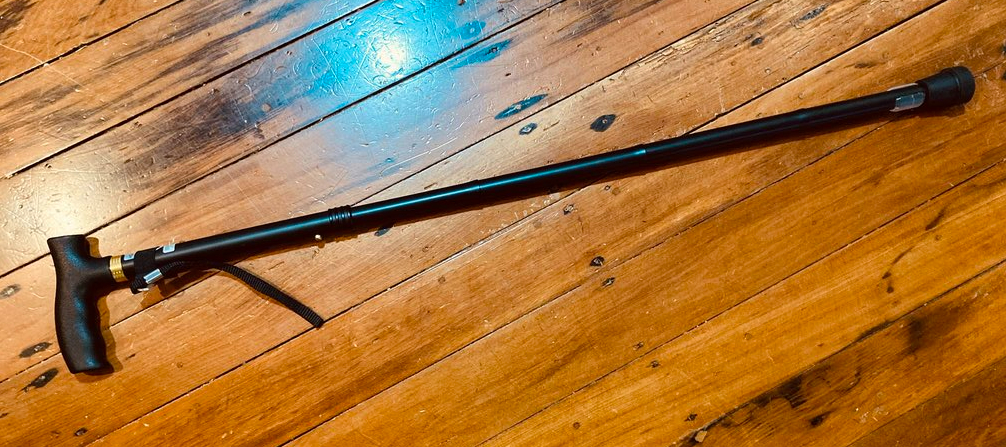
As some of you are aware, I have been struggling with a frozen shoulder for a while, but to make it more exciting, I injured my back during my recent trip to Japan. It was kind of exciting to buy my first walking stick, which I affectionately call ‘Mjölnir’, to waddle back to New Zealand.

It felt like being Yurakutei Yakumo if I let my inner anime geek shine through…

Fortunately, I don’t have to use the cane anymore, and I am steadily recovering.

However, the problem is that I still can only hold the seiza position up to only 20-30 minutes.

My usual solo performances run 60-90 minutes, so it is currently not possible to do a full-length performance.

So…

I am looking for groups, organisations or venues in Auckland to let me perform rakugo only up to 30 minutes maximum…

Do you know such people who would kindly invite me?

As it is my favour, I will not charge my usual fees, but I’m keen on performing for free (though petrol money would be appreciated).

I really need to get back to stage to polish my craft.

Please contact me via the contact page if you are interested. Thank you!

Another exciting news is that the rakugo-inspired installation art that Fiona Amundsen and I created will now be exhibited at Tampere Art Museum in Finland.

I’m quite impressed how far it will travel-16,606 km away from here according to Google!

Technically, they will probably build the screens locally over there, so I don’t think it will travel physically, though- so you know that it will not add to the carbon footprints 😁

The exhibition opens on 17 June 2023 and runs until 15 October 2023.

If you happen to be in Finland…

I have 2 Finnish friends, so I’m hoping at least 2 people would check it out.

See you next time!