

Our desire for beauty, whether you are a man or a woman, is universal.
If we had a choice, most of us would probably opt in for looking gorgeous than the other way around. (To avoid misunderstanding and potential loss of readership, I would like to add that beauty is in the eye of the beholder.)
The people of Edo (1603-1868) were no different.
Readers, be prepared to be surprised by what they used for cosmetics to stay youthful.
The most common beauty product was nuka or rice bran.
They put rice bran in a bag and washed their body with it.
It is still sold in Japan, and I have tried it a few times myself. It actually works, and your skin will be noticeably smoother.
They also used funori, a kind of seaweed.
It was used as hair product to keep their hair nice and shiny. They melted it in hot water and mixed with other ingredients like flour.
But the ultimate beauty product of Edo was…
Drum roll, please…
Japanese bush warbler or uguisu’s waste.
They smeared this bird’s… ahem… poop on their faces!!!
It was very expensive and cost a fortune.
I have no idea how they collected it, but that will be my next research topic.
And guess what, it is STILL used in Japan though it isn’t common, and you can purchase it online wherever you are in the world.
If you ever decide to give it a go, please send me the before and after photos.
I am very curious.
Photo Attribution
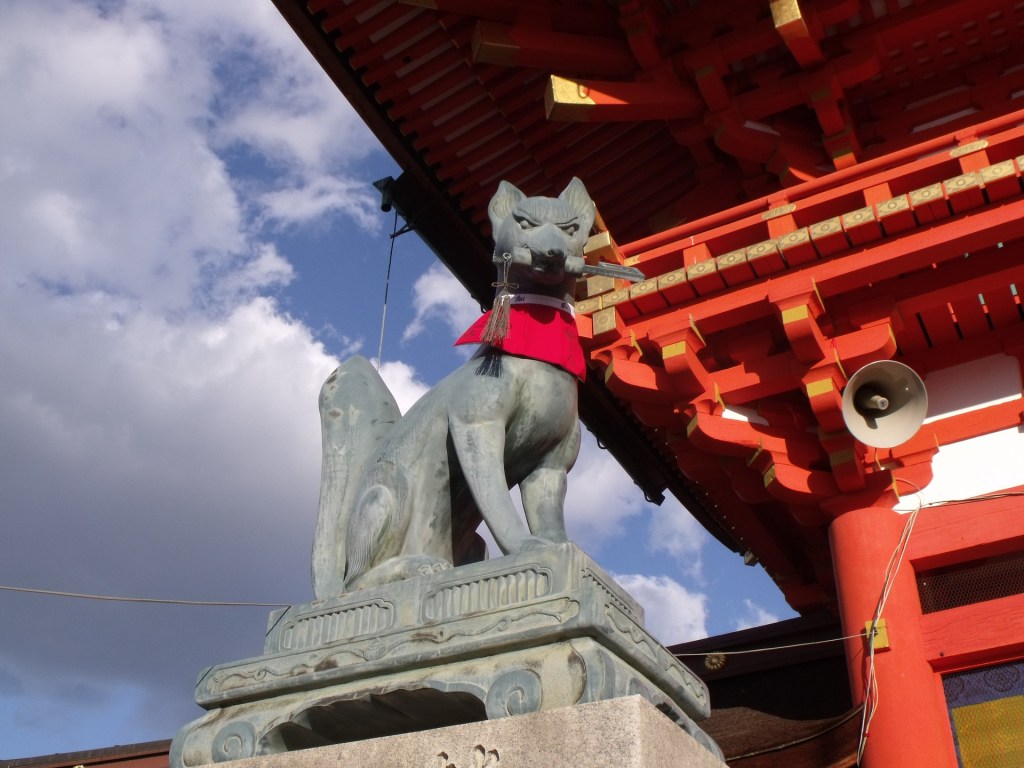
Alpsdake, CC BY-SA 3.0 https://creativecommons.org/licenses/by-sa/3.0, via Wikimedia Commons





 English Rakugo NZ