English Rakugo performer and actor based in NZ. A full-time rebel with common sense. A lover of art, books, comedy, Japanese culture/ language, music, peace, positivity, theatre, and trivia. Idealistic, but ain't no saint.
鹿鳴家英志(本名:中辻拓志)。ニュージーランドを拠点とする役者・英語落語パフォーマー。アメリカへの演劇留学をきっかけに、気付くと海外滞在20年。現在ニュージーランドに永住中。アメリカの4大卒業後は日本で英会話講師を経験、その後ニュージーランドの高校教師資格を取得する。ニュージーランドでは英語にてスタンダップコメディーを行い、2005年ニュージーランド国際コメディーフェスティバルの新人大会にて全国優勝を果たす。その後、テレビドラマ、CM等に出演、テレビのレポーターも勤める。
If you are a speaker of British English, you might be slightly confused if I’m talking about an adult female human with a child/ children or a preserved human body that could’ve been a mummy… or a daddy.
If you are a speaker of American English, you are right I meant a mummy by “mummy”.
The Egyptian kind of mummy, who could’ve been an Egyptian mummy before her passing (OK, I’ll stop annoying you!).
I recently learned a shocking fact about a Japanese medicine during the Edo period (1603-1868), and I couldn’t resist sharing this particular one!
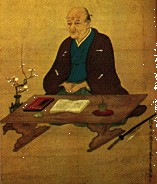
Kaibara Ekiken* (貝原益軒1630-1714) was a very well-known Neo-Confucianist philosopher (じゅがくしゃ 儒学者) and botanist who studied the medicinal herbs used in traditional Chinese medicine.
Ekiken is especially known for his books called Yojokun (ようじょうくん 養生訓), which was a collection of his health advice, and Yamato Honzo (やまとほんぞう 大和本草) that introduced medicinal plants from China and Japan.
Yamato Honzo (やまとほんぞう 大和本草)
Kaibara Ekiken* (貝原益軒1630-1714)
In Yamato Honzo, mummies… or mummified human bodies probably from Egypt… are introduced as a medicine!!!
Mind you, Ekiken himself opposed to the use of mummies as a medicine for ethical reasons, but researches suggest that they were widely used as all-purpose cure though they cost a fortune.
We don’t know exactly where they were imported from (and how they were sourced), but it was likely to have been via China or Netherlands as Japan only traded with these two countries then. It could’ve also been from Korea (via Tsushima), Ainu (via Matsumae/ Hokkaido), or Ryukyu/ Okinawa. **
According to Yamato Honzo, mummies were good for toothache, headache, chest pain, high fever, antidote for poisonous insects, and others.
* Some people also call him “Ekken”.
** If you know the answer to this question, please comment below!!!
If you have been to a Japanese restaurant, I’m sure you have seen those waribashi (割り箸, わりばし) or disposable wooden chopsticks that you pull apart before digging in your yummy Japanese dishes.
Personally, I have a love-and-hate relationship with them- I love them because they are sanitary; I hate them because they are an absolute waste of trees.
Anyway… I came across the origin of those chopsticks the other day, so I’m sharing it with you 😃
It is said that waribashi was first created by an eel restaurant in Edo (1603-1868), which is the old name for Tokyo.
They were originally made of bamboo and called “Hikisakibashi” (引裂箸 ひきさきばし), which roughly means “chopsticks to split apart”.
However, the wooden disposable chopsticks that we use today were actually invented in Nara Prefecture(奈良県 ならけん).
It is said that amonk called Sugihara Souan (杉原宗庵, すぎはらそうあん) invented them from Japanese cedar from the Yoshino region (so called “Yoshino Cedar”; 吉野杉, よしのすぎ) in 1827.
They used the scrap wood from making sake barrels, and even today they only use wood from forest thinning in the Yoshino region, therefore making them more ecological than the imported ones from overseas.
I personally think it’s best to use reusable metal chopsticks like Korean people do for the environment, but if you are into waribashi, I recommend you get ones from Yoshino!
I’ve never posted a book review here until now, but I couldn’t resist as “Sakhalin: The Island of Unspoken Struggles“ by Kristine Ohkubo has become one of the most influential books in my life for the reasons I’m about to write!
First of all, here’s the review that I posted on the author’s Goodreads page:
“Sakhalin” is an unparalleled account of the people who became the victims of the power struggles over this resource-rich island in the Far East. The history of Sakhalin is little known even to Japanese, including myself, although a part of the island was once colonised by Japan and the Japanese settlers themselves eventually became the victims at the end of World War II. Thoroughly researched, Kristine Ohkubo’s intelligible writing reveals the island’s complex history that involved the world powers such as the Mongols, China, Russia, and Japan. However, the real beauty of this book is that Ohkubo has given voice to the Karafuto Koreans, Ainu, Uilta, and Nivkh. Even though this book’s subtitle is “the Island of Unspoken Struggles”, their struggles have now been spoken.
As you can see, two of the main reasons why this book really spoke to my heart were:
It explains a complex subject that has not been discussed openly and widely in her clear, accessible writing.
It gives voice to the forgotten minorities: the Karafuto Koreans, Ainu, Uilta, and Nivkh.
But another big reason for my attraction to this book is that…
the foreword for this book was written by my very own rakugo master, Kanariya Eiraku (Tatsuya Sudo is his real name)!
Here is how this came true (insider information ahead) 😁
The author, who happens to be a rakugo fan, went to my master’s rakugo performance in LA.
She told him about the book in the process of writing and found out that Eiraku’s father was from Sakhalin!
Therefore, this collaboration came true.
What was the chance of that to happen!
I learned about his connection to Sakhalin and his Ainu uncle through this book, which I had not known even as his student.
For these reasons, I can very confidently recommend this book to you!
You can purchase her books on Amazon and other retailers.
Hatsutenjin (初天神) or “A New Year Visit to the Shrine”* or even more precisely “A New Year Visit to Tenjin Shrine” is one of the most widely performed rakugo stories in Japan.
As the title suggests, it is a story about a New Year visit to a shrine where Tenjin (天神) is enshrined, and it is considered an auspicious story and often performed in January.
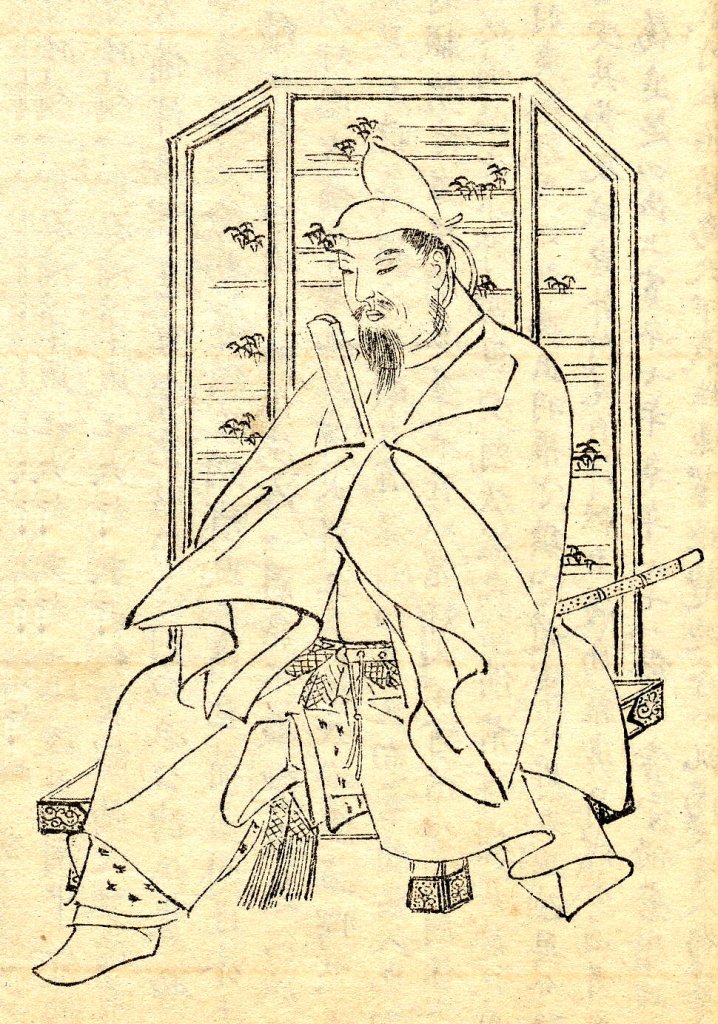
Michizane was a scholar, politician, and poet of the Heian period (平安時代 794-1185). He was enshrined as a god because of his immense contribution to the academia.
Hastutenjin was originally a Kamigata Rakugo** created by Shofukutei Shochiku (松富久亭松竹 DOB/ DOD unknown), the founding father of the Shofukutei (笑福亭) clan. It was exported to Tokyo by Sanyutei Enba III (三代目三遊亭圓馬 1882-1945).
Having said that…
this story is almost nothing to do with Tenjin Shrine itself, but it’s a simple lighthearted story about a relationship between a father and his son.
You can watch the story at the bottom of this post, but here is what dango looks like.
Dango
Hope you will enjoy the story!!!
* You might have noticed that my YouTube thumbnail says “The First Visit to Tenjin Shrine”, but it is mistranslated. The official translation by my master Kanariya Eiraku is “A New Year Visit to the Shrine”, but I also presented a more literal translation “A New Year Visit to Tenjin Shrine” for educational purposes.
** Rakugo from the Kansai region especially from Osaka and Kyoto
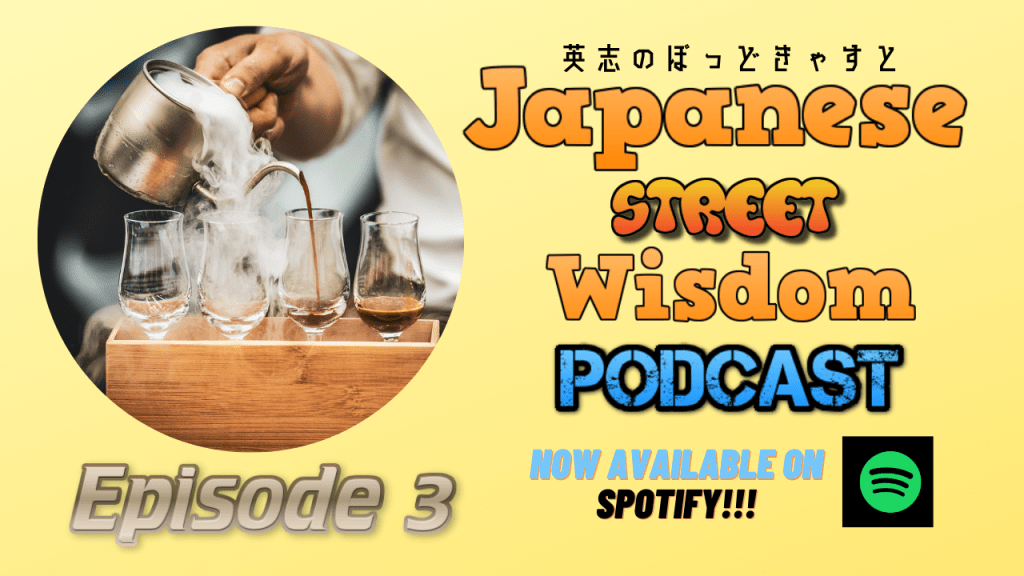
Welcome to the 3rd episode of my Japanese Street Wisdom Podcast!!!
Today, I will be talking about a zen saying “Kissa Kippan” (喫茶喫飯 きっさきっぱん).
Please listen to the episode to find out what this maxim means, but this wisdom can be applied to literally everything we do in our lives.
Please do let me know what you thought about it in the comment section below.
I am an actor/ storyteller so find it quite challenging to just narrate, so if you have good advice to improve my presentation style, please let me know as well 😀
This Podcast is now available on Apple Podcasts as well as Spotify!!!
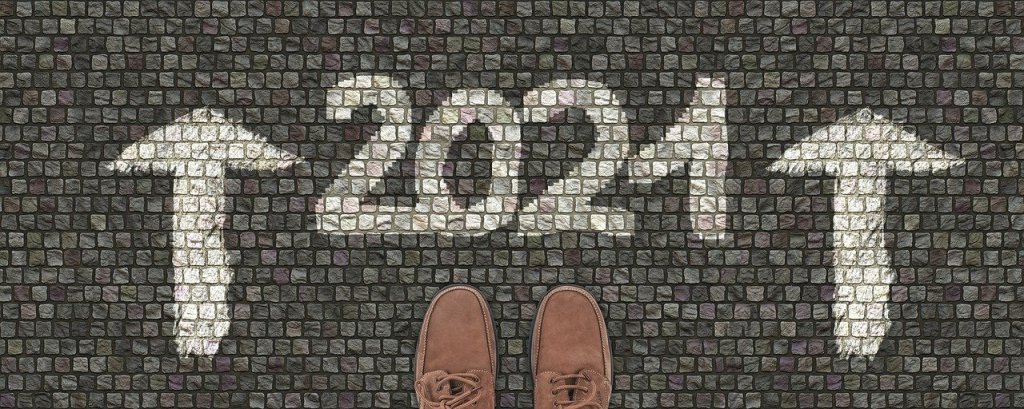
Hope you had a relaxing break during Christmas and New Year holidays 😃
This is the time of the year to make resolutions for the year… have you made yours yet?… so here we go!
Mind you… I have already failed my diet/ exercise targets in the first week, so let’s stick with my rakugo goals for now…
I will be focusing on 3 things this year:
1. Improve myONLINE PLATFORMS(with special emphasis on my YouTube channel)
What I have learned through 2 lockdowns and all the restrictions due to the Covid crisis is that all live performers must improve their online platforms/ presence that would allow them to keep creating and supplement their income during a situation like the one we are facing right now. So I have decided to focus on the following this year:
a. Discover an irresistible “voice” that would woo the online audience 💖
I am very much a live performer, so I have been struggling to find my “voice” that would be appealing to the online audience. I want to develop my digital storytelling skills- presentation style, camera work, editing, etc.- so that I can entertain people online as much as when I am on live stage! It’s a completely different set of skills, so I need to learn from the scratch! 😃
b. Develop fairy tale and mystery rakugo 🦄+🧐=👍
In my attempt to discover my “online voice”, I have decided to write rakugo stories based on Grimm’s Fairy Tales and Edogawa Rampo‘s mystery novels. I chose these two sources because the former is so universal that it is approachable to most people and the latter is entertaining (it’s quite “pulpy”). But if you want me to be 100% honest, the copyrights for both of these have expired, so I can use their ideas freely, therefore I can focus on discovering my “voice” rather than spending hours overcoming writer’s block 😁 The stories I develop online will be performed live in the future!
c. I will acquire 1,000 followers on my YouTube channel by 30 June 2021!
To make my online work justifiable, I do need to start generating online income. You might be appalled that I am talking about money, but as a full-time performer I do need to think about the financial side of my rakugo journey so that I can keep doing what I do! If you have a burning desire to help me out, you can follow my channel. It’s free and takes a few seconds to do so!
2. Complete Te Ataarangi (Māori full-immersion) Programme
As a part of my rakugo journey, I have decided to attend a full-immersion programme to acquire the Māori language this year! The course is designed for working people, but it requires a full-time academic commitment.
I have decided to make this big commitment:
To learn from the depth of their language and culture, particularly from their oral tradition
To really understand Aotearoa/ New Zealand so that I can create a rakugo that is truly relevant to this country
To teach rakugo more effectively at schools (I teach rakugo at NZ schools)
To eventually perform rakugo in the indigenous language of this country- this is my way of showing absolute respect for te reo Māori me ōna tikanga (Māori language and its cultural protocols)
But I am realising more and more about the importance of building communities in this divisive world. I believe it is important that each person attempt building bridges for people from different walks of life with what s/he can do.
To me, rakugo is one of the few things that I can give, so I will use it to bring people together to build a better society. I want to contribute a small building block for a more connected, inclusive world.
I have always wanted to perform with the rakugo club members since I started the club in 2019, and my dream finally came true last weekend 😃
It was a tiny baby step (9 people all together!), but it was the first of many to come!







 English Rakugo NZ