


During my recent visit to Japan, I got to experience the entire New Year celebrations with my family. It was the first time in at least a decade to go through the entire routine that I once did every single year until I left my homeland when I was 19.
I am sure there are local and family variations, but here is how it is generally celebrated in my area:
Towards the end of December
Year-end Cleaning: We clean the entire house towards the end of the year. It is like the spring cleaning in the west, but we do this in winter instead. This is based on the concept of ‘kiyome’ (清め) or ‘cleansing’ before welcoming the new year.
Osechi Making: Osechi is a traditional Japanese New Year feast, which is basically an elaborate bento. Each item has a special meaning, wishing for health, prosperity, and happiness in the coming year. Traditionally, it was pre-cooked before New Year’s Day so that the family members did not have to cook for the first few days of the year to relax.
31 December
Soba Noodle Eating: We eat soba noodles to wish for health and longevity. In some areas in Japan, they eat soba noodles on 1 January instead. The toppings also vary depending on the area. In my family, we do this ‘ritual’ towards midnight, sometime around 11:00 PM.
Kōhaku Uta Gassen: In the evening, many Japanese families watch the Red and White Singing Competition (Kōhaku Uta Gassen) on NHK, our national TV. It is basically a concert that showcases the best singers in Japan.
New Year’s Day
Shrine Visit: Families visit their local shrine to pray for good luck and health. Many families visit shrines in the first three days of the year (sanganichi; 三が日), but it is my family tradition to visit our local shrine at 12:00 AM midnight.
First Sunrise Gazing (初日の出): After a short sleep, we get up at the sunrise to pray to the sun. I’d say it is more cultural than religious, but it is said to be auspicious to gaze at the first sunrise of the year.
Breakfast: We eat the osechi that we prepared towards the end of the previous year. We also drink otoso, which is sake with some medicinal herbs, to pray for good health and well-being for the year. It tastes aweful, by the way!
New Year Cards: New Year Cards (Nengajou, 年賀状) start arriving around 10:00AM. The number of the New Year cards is an indicator of your popularity. As I grew up, I only received 20-30 cards while my dad received 500 plus. People are moving away from this custom these days, though. Many youths just email or text on LINE, which is like the Japanese version of WhatsApp.
Otoshidama (お年玉): If you are still a child or a teenager, you receive some pocket money in a little envelope called ‘pochi-bukuro’ (ポチ袋). As I grew up, my Kansai (Western Japan) relatives tended to give me more 😁
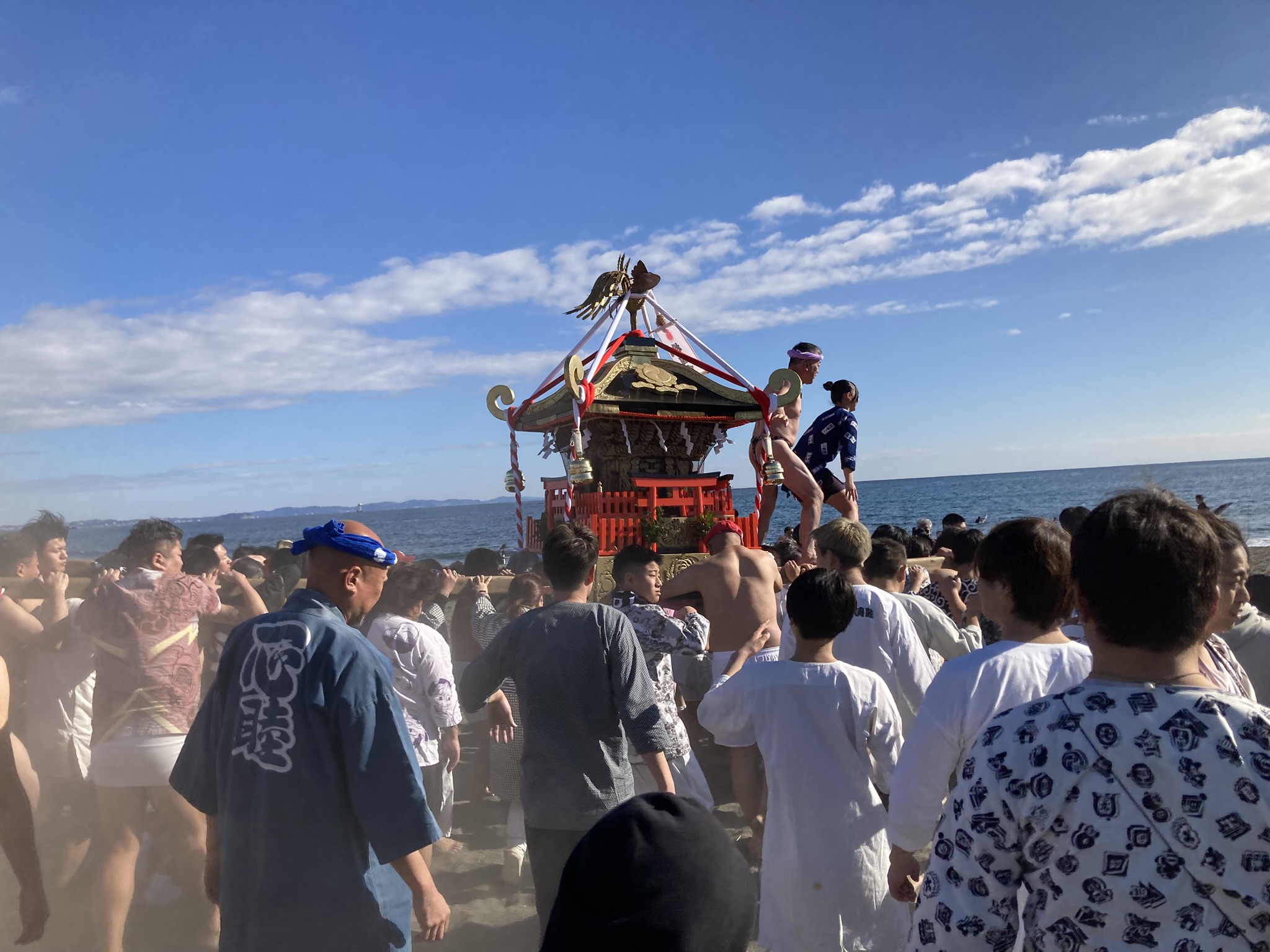
Community Celebrations: Depending on the area you live in, there might be some community celebrations. In my hometown, a mikoshi palanquin (a portable shrine) is taken into the sea to pray for the water safety for the year.
I have created a YouTube video about this subject, so if you are interested, please visit my YouTube channel. Make sure to subscribe if you still haven’t!

 English Rakugo NZ